Chicken made my son worse. Here's what we ate instead.
The short answer: For people with Crohn's or IBD, chicken breast can be surprisingly hard to digest — it's dense, low in fat (which slows motility less than you'd think), and fibrous in texture. During a flare or low-tolerance phase, softer, more easily broken-down proteins like eggs, white fish, canned salmon, silken tofu, and well-tolerated dairy tend to be gentler on an inflamed gut. Here's how we found that out the hard way — and what the evidence says.
---
When my son was deep in a flare, I did what most Crohn's parents do. I went straight to the "safe" foods list.
Chicken breast was at the top of nearly every list I found. Lean. High protein. Low fat. Seemed logical.
But every time he ate it, something felt off. Cramping. Bloating. That familiar post-meal heaviness that told us his gut was working overtime.
As a naturopath, I went back to the physiology. And it started to make sense.
## Why Is Chicken Breast Hard to Digest with Crohn's?
Chicken breast isn't inherently bad — but it has a few characteristics that make it harder work for an inflamed gut.
First, it's a dense muscle meat with long, tough protein fibres. Your digestive system has to produce significant amounts of stomach acid and enzymes to break those fibres down. When the gut lining is inflamed, enzyme production can be compromised — meaning that chicken breast arrives in the small intestine only partially broken down.
Second, chicken breast is very low in fat. That might sound like a benefit, but fat actually slows gastric emptying slightly — which gives your gut more time to absorb nutrients before food moves through. Very low-fat proteins can move through the system faster, which isn't always what an inflamed gut needs.
Third, texture matters more than most people realise. The Crohn's & Colitis Foundation notes that during active disease, food texture and preparation method can significantly affect tolerance — even when the food itself is considered "safe."
Key takeaway: A protein being "lean" doesn't automatically make it gentle. For Crohn's, digestibility is about fibre content, protein structure, fat balance, and texture — not just macros.
---
## What Makes a Protein "Gut-Friendly" for Crohn's?
Before I share the five proteins we leaned on, here's the framework I use as a naturopath — what I look for when assessing whether a protein is likely to be tolerated during a flare or low-tolerance phase:
- Soft or semi-liquid texture — less mechanical work for the gut
- Short, easily denatured protein chains — quicker enzyme breakdown
- Moderate fat content — slows transit just enough without overwhelming digestion
- Low residue — minimal fibre or connective tissue left behind
- Minimal additives — no marinades, no spices, no skins
With that in mind, here are the five proteins that made the biggest difference for our family.
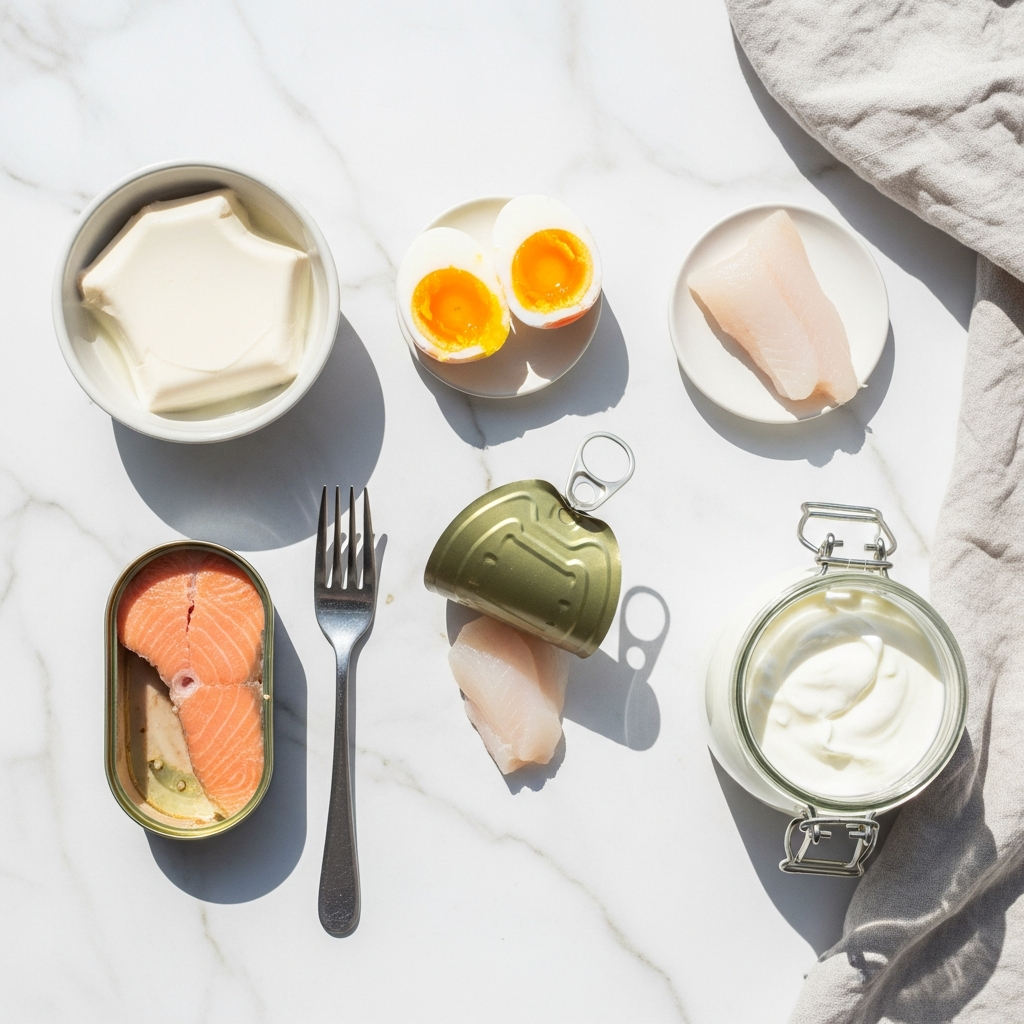
## 5 Proteins Easier on Your Gut Than Chicken Breast
### 1. Eggs (Soft Scrambled or Poached)
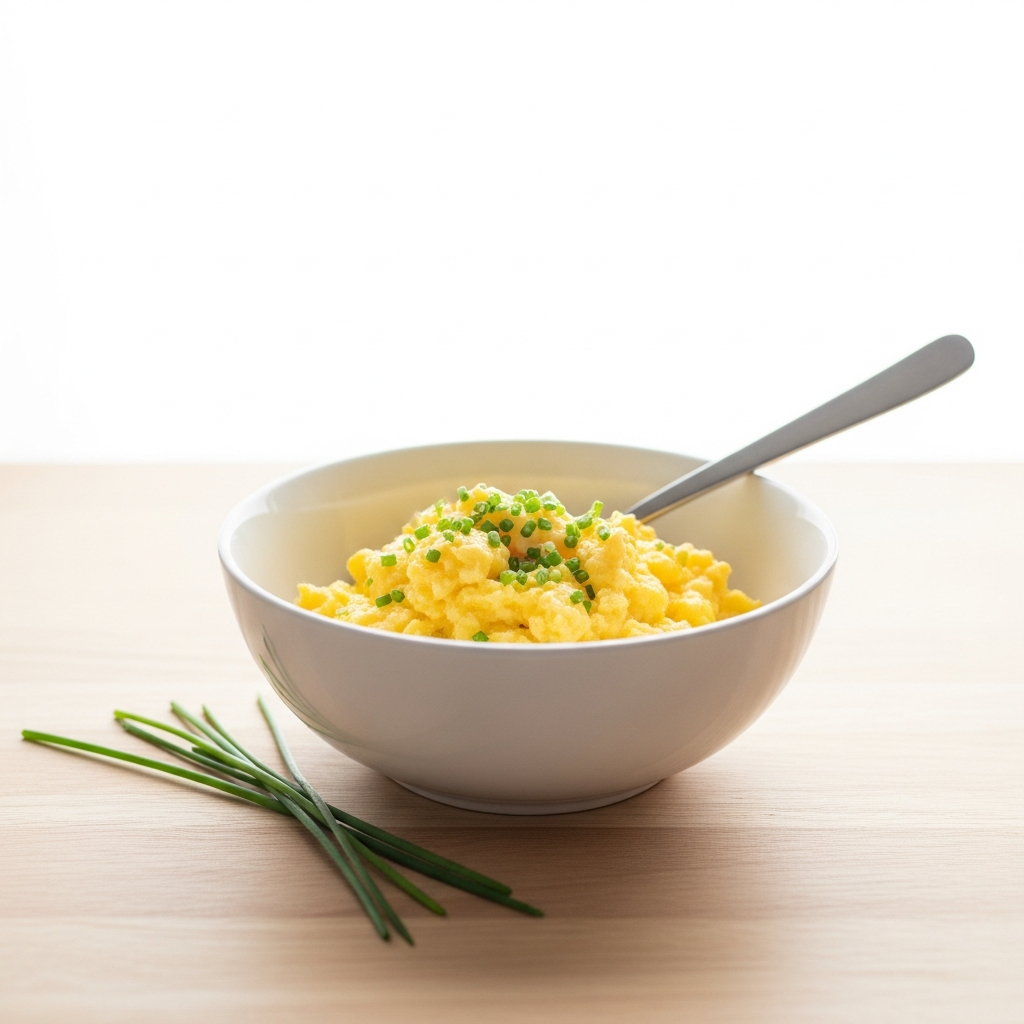
Eggs are one of the most bioavailable proteins on the planet — meaning your body absorbs them with minimal digestive effort. Soft scrambled or poached eggs have a semi-liquid texture that requires very little mechanical breakdown. They're also naturally low in residue and easy to prepare without additives.
We used eggs constantly during my son's flares. Soft scrambled in a little butter (if tolerated), or poached and served plain. Avoid fried — the high heat and added fat can be harder to manage during active inflammation.
### 2. White Fish (Basa, Barramundi, Sole, Cod)
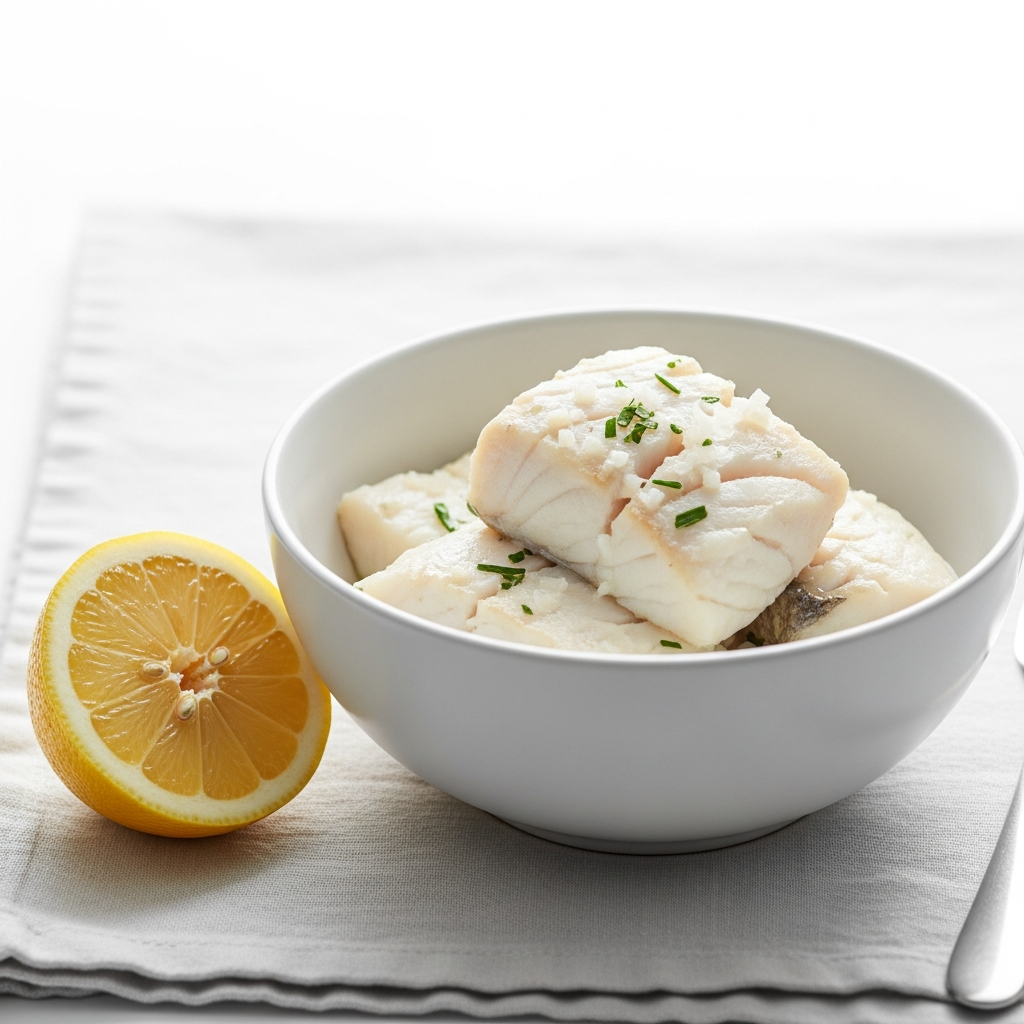
White fish has short, fine protein fibres that break apart almost immediately on contact with digestive enzymes. It's also naturally moist — which means less chewing, less mechanical stress, and faster breakdown. Steamed or gently poached is the gentlest preparation.
My husband tolerated white fish well even during his most difficult periods before his surgeries. We'd steam it simply with a little lemon and serve it with well-cooked white rice.
### 3. Canned Salmon or Tuna (in Water)
Canned fish is already partially broken down by the canning process — the proteins are softer and more pliable than fresh. Salmon also provides omega-3 fatty acids, which the NIH notes have anti-inflammatory properties that may be supportive in IBD (though this is complementary to, not a replacement for, medical treatment).
Choose canned in water rather than oil during flares, and rinse well. Avoid varieties with added sauces, spices, or vegetables.
### 4. Silken Tofu
Silken tofu has a smooth, almost custard-like texture that requires almost no mechanical digestion. It's one of the lowest-residue protein sources available, and it absorbs flavours easily — so it can be added to soups, blended into smoothies, or served simply with a little low-sodium soy sauce.
Not everyone with Crohn's tolerates soy — so introduce it carefully and monitor your response. But for many of our community members, silken tofu has been a flare-phase staple.
### 5. Greek Yoghurt (If Dairy Is Tolerated)
Greek yoghurt provides protein AND live cultures — which the Crohn's & Colitis Foundation acknowledges may support gut microbiome balance, though individual responses vary. The straining process removes most of the lactose, making it better tolerated than regular dairy for many people with IBD.
This one comes with a caveat: dairy tolerance varies enormously in Crohn's. If dairy is a known trigger for you or your family member, skip this one. But if it's tolerated, plain full-fat Greek yoghurt is a gentle, nutrient-dense protein option — especially useful at breakfast or as a snack.
---
## How We Use the Safe Food Ladder
The Safe Food Ladder is the framework I use with our family and in The Crohn's Method community. The idea is simple: during a flare or low-tolerance period, you start at the bottom rung — the most easily digested, lowest-residue foods — and you move up the ladder gradually as tolerance improves.
Protein follows the same logic. You don't start with a chicken breast. You start with a soft egg or a spoonful of silken tofu. You build from there.
This isn't about restriction forever. It's about meeting the gut where it is right now, giving it the least amount of work to do while it heals, and then expanding variety as things settle.
Always do this in partnership with your gastroenterologist and dietitian — especially if you're in an active flare or post-surgery phase. The Safe Food Ladder supports your medical care; it doesn't replace it.
## Common Questions
Q: Is chicken breast bad for Crohn's?
Not necessarily — but during active inflammation or a flare, its dense, fibrous texture can be harder to digest than softer protein sources. Preparation matters too: slow-cooked, shredded chicken is better tolerated than grilled or baked breast.
Q: Can I eat protein during a Crohn's flare?
Yes — adequate protein is important for gut repair and immune function. The key is choosing proteins that are easy to digest: soft-cooked eggs, white fish, silken tofu, and canned fish are good starting points. Always check with your gastroenterologist about your specific needs.
Q: Is tofu safe for Crohn's?
Silken tofu is one of the lowest-residue, easiest-to-digest plant proteins available. However, soy sensitivity varies — introduce it carefully and monitor your response.
Q: What protein is easiest to digest with IBD?
Soft-cooked eggs are generally considered one of the most bioavailable and easily digested proteins. White fish and silken tofu are also well-tolerated by many people with IBD during low-tolerance phases.
---
This article is for general information only and does not constitute medical advice. Always work with your gastroenterologist and healthcare team for guidance specific to your situation.