Fourth of July used to terrify us. Here's what changed.
The short answer: Holidays with Crohn's are hard not just because of the food — but because of the grief, the logistics, and the feeling that the disease is always in the room. After my husband's 3 surgeries and 20+ years in deep remission, and my son's own journey to remission, I've learned that what changes the holiday experience isn't perfection — it's preparation, self-compassion, and a few practical strategies that actually work.
---
Fourth of July used to mean something very specific in our house.
It meant my husband quietly scouting the bathroom at whoever's place we were visiting before he even said hello. It meant him eating before we left home — just in case — and then standing at the BBQ table with a plate of food he wasn't sure about, smiling through the math of will this be okay?
It meant me watching him from across the yard, trying to read his face. Trying to tell the difference between "I'm fine" and "I need to leave in the next ten minutes."
For years, the Fourth of July wasn't a celebration. It was a logistics problem we dressed up in red, white, and blue.
## Why holidays are uniquely hard with Crohn's
Holidays with Crohn's — or caring for someone who has it — carry a specific kind of weight that's hard to explain to people who haven't lived it.
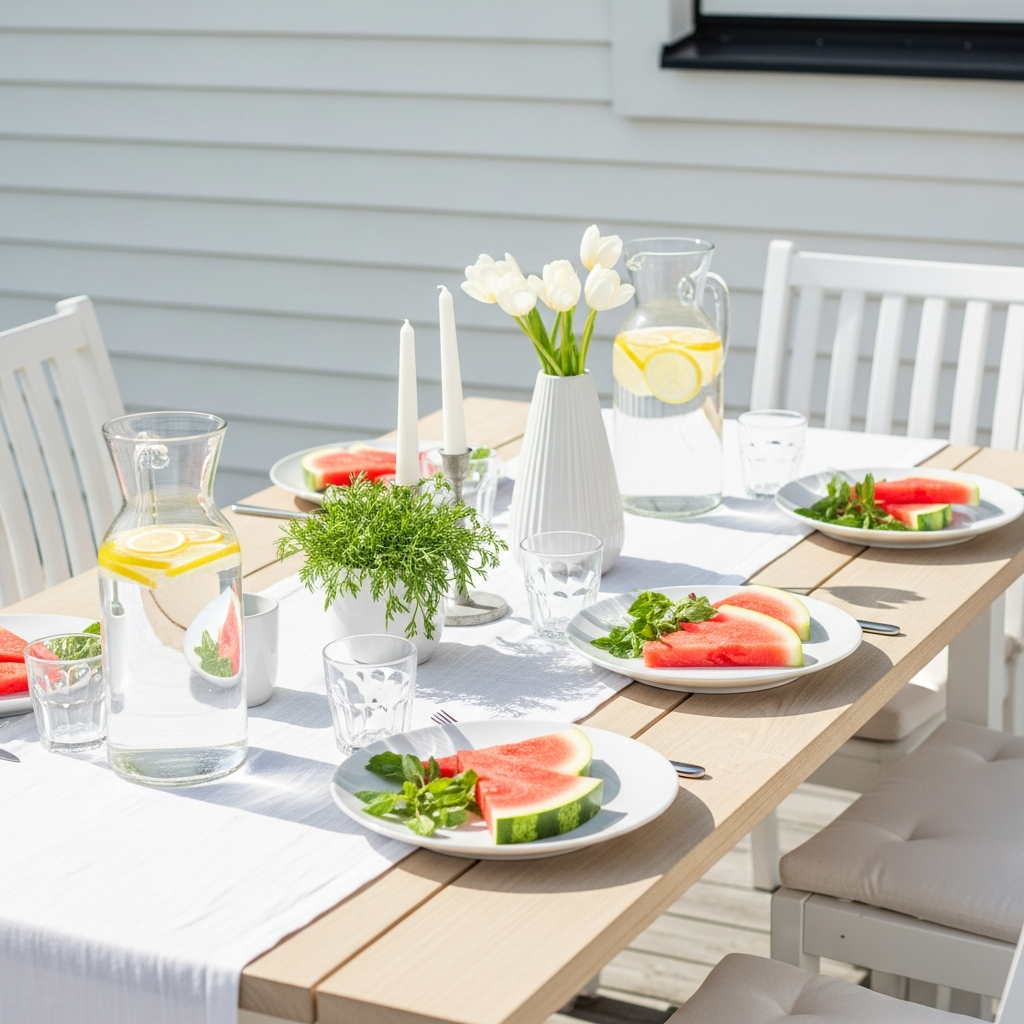
It's not just the food, though the food is real. BBQ season brings a gauntlet of high-fat meats, raw vegetables, corn, heavily spiced marinades, alcohol, and carbonated drinks — almost every known trigger category represented on a single paper plate.
But the food is almost the easier part to manage.
The harder part is the grief. The grief of not being able to just show up like everyone else. The grief of being the person who has to ask what's in the dip, who has to pass on the beer, who might need to leave early and can't fully explain why without making it a whole thing.
The Crohn's & Colitis Foundation notes that IBD significantly impacts quality of life beyond physical symptoms — including social participation, mental health, and the ability to engage in everyday activities. What they don't always say out loud is that holidays put all of that on a stage.
Key takeaway: The emotional weight of holidays with Crohn's is real and valid — and addressing it is just as important as managing the food.
## What we actually changed (and what helped)
After years of white-knuckling through gatherings, here's what genuinely shifted things for our family — both for my husband and, later, for my son.
1. We stopped trying to eat 'normally' and started eating strategically.
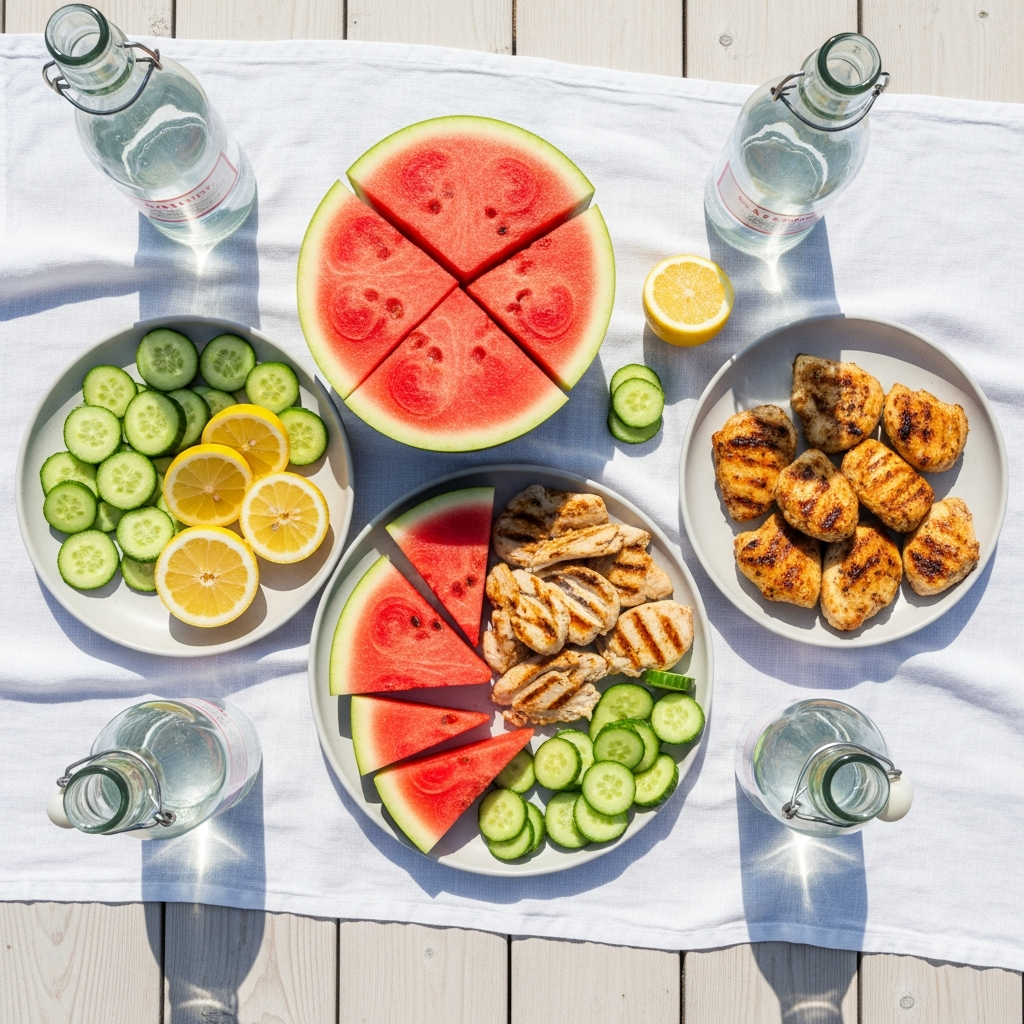
This doesn't mean deprivation. It means my husband eats a small, safe meal before we go — something he knows sits well — so he's not arriving hungry and making decisions under pressure at the food table. At the gathering, he fills his plate with what he knows works: grilled protein without heavy marinades, plain rice or potato if available, and he doesn't apologise for it.
As a naturopath, I'd frame this as reducing the decision fatigue load on a high-stimulation day. When your nervous system is already managing social stress, you don't want your gut to be managing experimental food at the same time.
2. We made peace with having a plan — and telling people about it.
For a long time, my husband didn't want to tell people. He didn't want to be the sick one. But quietly managing everything alone was exhausting. When he started being matter-of-fact about it — "I've got Crohn's, so I'll bring my own dish" — something shifted. Most people respond with more grace than we expect.
If your child has Crohn's, this is especially worth modelling. Let them see that naming their needs isn't weakness. It's how you get to stay at the party.
3. We identified the non-food triggers.
Holiday stress is real stress. Late nights, disrupted sleep, more alcohol in the environment (even secondhand — the smell, the energy), changes to routine — all of these can nudge the gut toward inflammation even when the food is perfect.
My son's gastroenterologist has always been clear: stress doesn't cause Crohn's, but it can influence symptom activity. We started treating sleep and routine as non-negotiables even on holidays, not luxuries.
4. I started preparing our gut-supportive basics the week before.
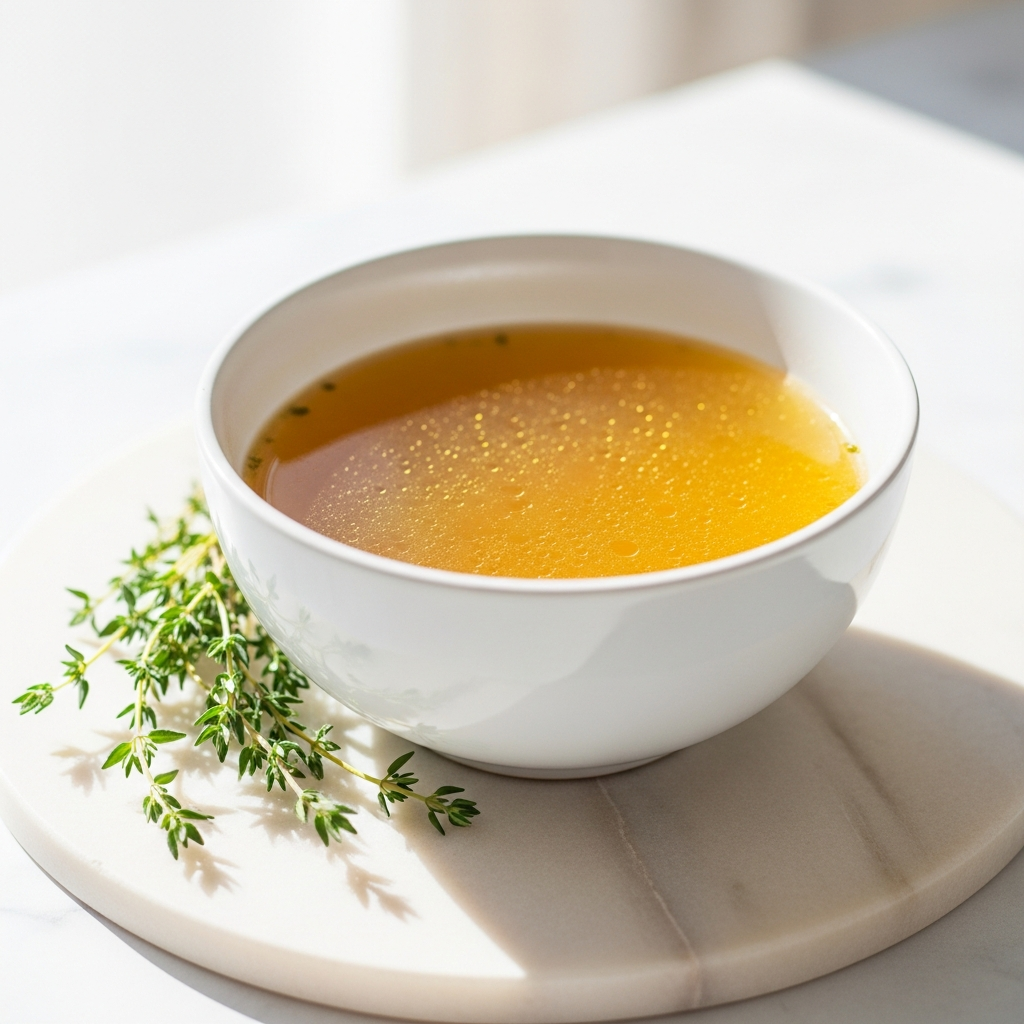
As a naturopath, I always increase our family's focus on gut-supportive foods in the days leading up to a big event — bone broth, easy-to-digest proteins, cooked vegetables rather than raw, and keeping fibre predictable rather than spiking it. Nothing dramatic. Just reducing the baseline load so there's more resilience in the system going in.
This supports, rather than replaces, whatever your gastroenterologist has you on. It's about giving the gut the best possible starting point.
## What Fourth of July looks like now
My husband is now more than 20 years in deep remission. No flares. Three surgeries behind him, and a life in front of him that he actually gets to enjoy.
Last Fourth of July, he stood at the BBQ — not scoping the bathroom, not running the risk calculus — just standing there, turning sausages, talking to our neighbour about cricket.
I watched him from across the yard, the same way I always have. But this time I wasn't reading his face for distress signals. I was just watching him be there.
My son was there too, in remission, eating watermelon and complaining that the music was too loud (he's a teenager; this is normal).
It didn't happen by accident. It happened because of consistent medical care, because of the naturopathic support we layered alongside it, and because we stopped trying to pretend the disease wasn't in the room — and started working with it instead.
Key takeaway: Remission doesn't mean Crohn's disappears. It means you've built enough support around it that it stops running the show.
## If this is your first holiday season with a new diagnosis
If you're reading this because someone you love was just diagnosed, or because this is your first summer navigating Crohn's, I want to say this clearly:
It gets easier. Not because the disease gets easier — but because you get better at it. You learn your triggers. You build your toolkit. You stop apologising for needing what you need.
And if you're a parent whose child has Crohn's: you are not doing anything wrong. The grief you feel watching them navigate this is real. And so is the hope — because early diagnosis, good medical care, and the right support genuinely change outcomes.
If there's family history of Crohn's, please talk to your GP about screening from around age 10 — blood tests and fecal calprotectin are simple, non-invasive, and can catch inflammation before it causes damage. Early detection changed everything for our family.
This Fourth of July, wherever you are in the journey — I hope there's more ease than there was last year. And if there isn't yet, I hope you know it's coming.
---
## Common questions
Can people with Crohn's eat BBQ food?
Some can, some can't — it depends on the individual and their current disease activity. Generally, high-fat meats, heavy marinades, raw vegetables, and alcohol are common triggers. Grilled lean protein, plain starches, and cooked vegetables tend to be better tolerated. Always follow your gastroenterologist's dietary guidance.
Does stress make Crohn's worse?
Stress doesn't cause Crohn's, but research suggests it can influence symptom activity and flare frequency. Managing stress — including the social stress of holidays — is a legitimate part of IBD care.
How do I explain Crohn's to family at gatherings?
Simple and matter-of-fact usually works best: "I have an inflammatory bowel condition, so I need to be careful with what I eat." Most people respond well when it's stated plainly rather than apologetically.
Is it okay to bring my own food to a gathering?
Absolutely. Bringing a dish you know is safe — and eating from it — is a practical strategy, not a social failing. Many people with Crohn's find this reduces anxiety and lets them actually enjoy the event.
This article is for informational purposes only and does not constitute medical advice. Always work with your gastroenterologist and healthcare team.