My son froze at the menu. Here's what we do now.
Yes — you can still eat out at restaurants with Crohn's disease. It takes some preparation and a simple personal system, but a social life around food is absolutely possible. After years navigating this with my son (who has Crohn's and is now in deep remission) and my husband (20+ years in remission after 3 surgeries), here's what we've learned — both as a family and through my naturopathic practice.
---
## Is it safe to eat out at restaurants with Crohn's disease?
The short answer: yes, with the right approach. Crohn's disease affects everyone differently, so there's no single restaurant rule that applies to every person. But the Crohn's & Colitis Foundation notes that while there's no universal "Crohn's diet," most people can identify personal trigger foods over time — and that knowledge is your most powerful tool when you're eating away from home.
Key takeaway: Eating out safely with Crohn's is less about finding the "perfect" menu and more about knowing your own body and having a simple plan before you walk through the door.
---
## What I noticed the moment I realised we needed a system
I remember sitting across from my son at a restaurant — he was maybe thirteen, newly diagnosed, and he just stared at the menu like it was written in a foreign language. Everything felt like a threat. He ended up ordering plain white rice. He didn't finish it.
That night, I thought: we can't live like this. He deserves a life that includes birthday dinners and date nights and spontaneous lunches with friends. And so do you.
So we built a system. Not a rigid diet plan — a flexible, practical toolkit he could use anywhere.
Here's what it looks like.
---
## How to know your safe foods before you leave the house
This is the foundation of everything. Before you can eat out confidently, you need to know — not guess — which foods your gut tolerates well right now.
I always encourage the people I work with to keep a simple food and symptom journal for a few weeks. Not obsessively, just honestly. What did you eat? How did you feel 30 minutes later? Two hours later? Patterns emerge quickly.
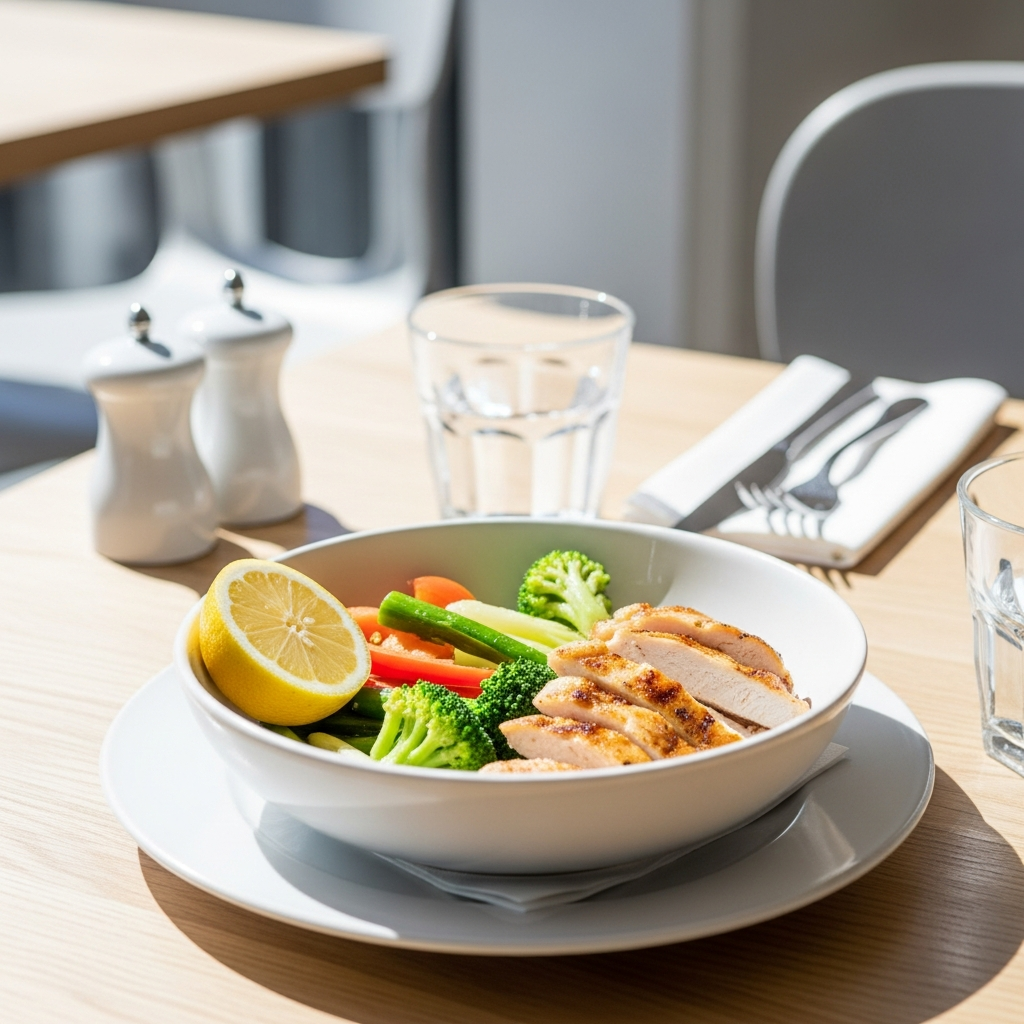
For my son, we identified that well-cooked vegetables, plain proteins (grilled chicken, fish, eggs), white rice, and sourdough bread were generally safe. Fried foods, raw onion, and heavy cream sauces were consistent triggers.
With that knowledge, he could look at almost any menu and find something that worked — because he wasn't guessing anymore.
Key takeaway: Your personal safe food list is the single most useful thing you can build before eating out. It turns a menu from a minefield into a map.
---
## The two questions worth asking at any restaurant
My husband — who has navigated restaurants with Crohn's for over two decades — swears by two questions:
- **"How is this cooked?"** Grilled, steamed, and baked are generally gentler than fried or sautéed in heavy oil. Knowing the cooking method matters more than the ingredient list.
- **"Can the sauce come on the side?"** Sauces are where hidden triggers live — garlic, onion, cream, spice. Getting them on the side means you control how much (if any) goes on your plate.
These aren't demanding questions. Any good restaurant will answer them happily. And they give you real information to make a confident choice.
It's also worth knowing that many restaurants now list allergen information on request or online. While Crohn's triggers aren't the same as allergens, this information can still help you understand what's in a dish.
---
## What to do when a meal goes wrong
Sometimes, despite your best planning, your gut disagrees. This is not failure. This is Crohn's being unpredictable — which it sometimes is, regardless of how careful you are.
Here's what I tell my son and the families I work with:
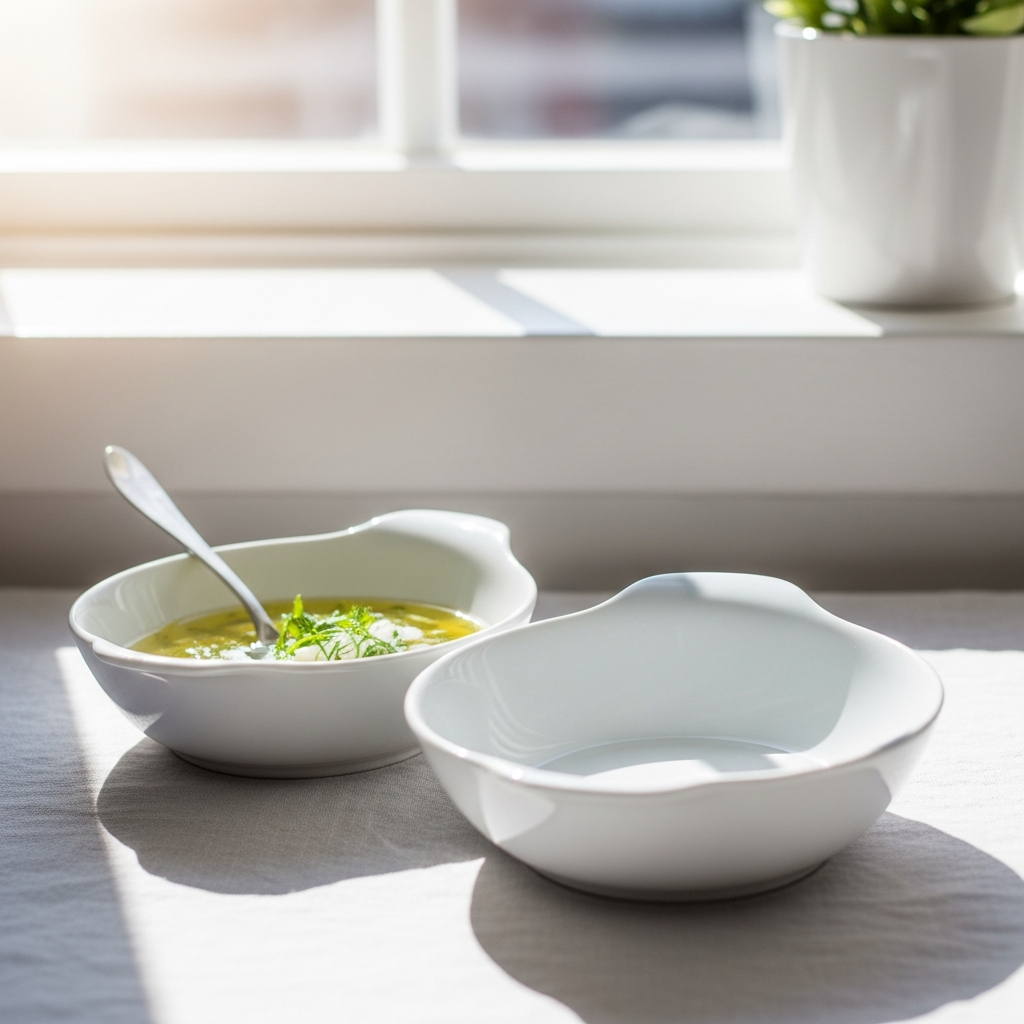
- Have a recovery plan ready at home. Know what your gut-settling go-to foods are — for many people this is plain rice, bone broth, or a simple electrolyte drink. Having these stocked means one bad meal doesn't turn into a bad week.
- Don't restrict the next day as punishment. Skipping meals after a reaction can actually increase gut sensitivity. Eat gently and consistently.
- Notice the pattern, not the panic. If a particular restaurant or dish consistently causes problems, that's useful data. If it was a one-off, don't let it become a fear that shrinks your world.
The Mayo Clinic notes that stress itself can worsen Crohn's symptoms — so the anxiety spiral of "what if something goes wrong" can sometimes cause as much trouble as the food itself. A plan reduces that anxiety.
Key takeaway: A bad meal is information, not a reason to stop living. Have a gentle recovery plan and keep going.
---
## Cuisine types that tend to work well (and why)
While every person is different, some cuisine styles tend to offer more naturally gentle options:
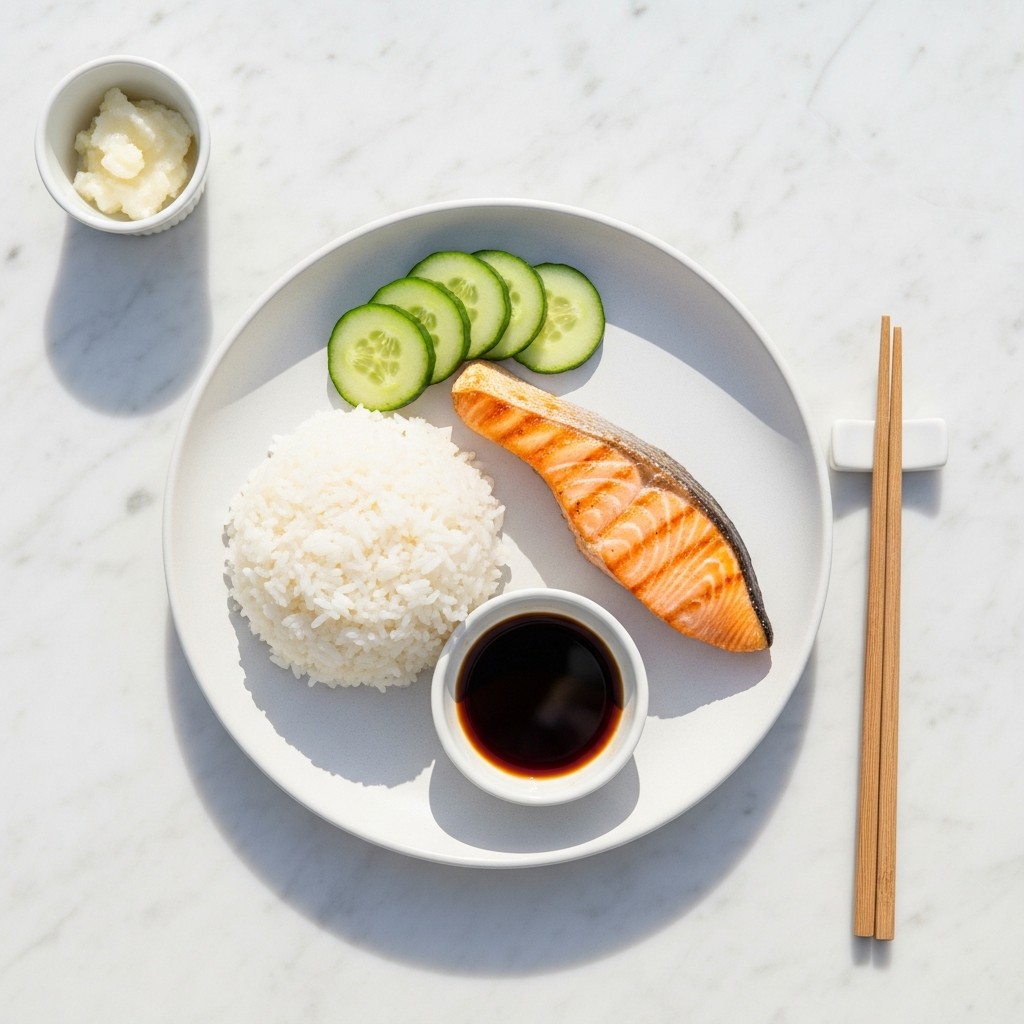
- Japanese: Plain sushi rice, steamed fish, miso soup (watch sodium), edamame. Generally low in heavy fats and spice.
- Mediterranean/Greek: Grilled proteins, plain rice or potato, cooked vegetables. Ask for dressings on the side.
- Thai: Can be adapted — jasmine rice with plain grilled chicken or tofu, broth-based soups without heavy chilli. Specify "mild" and "no garlic" if those are triggers.
- Western café menus: Eggs cooked simply (poached, scrambled), sourdough toast, plain grilled meats.
Fast food is trickier — high fat, high fibre, and often fried — but even there, a plain grilled option and a side of rice or plain potato can work in a pinch.
---
## Common questions
Can I eat spicy food with Crohn's?
Spice tolerance varies widely between individuals. Many people with Crohn's find that chilli and heavy spice worsen symptoms during a flare but are tolerable in remission. Track your own response rather than assuming a blanket rule.
Should I tell the restaurant I have Crohn's disease?
You're not obligated to, but it can help. Saying "I have a digestive condition — can you tell me how this is prepared?" usually gets you useful, specific answers without requiring a full explanation.
What if I'm in a flare — should I still go out?
During an active flare, your gastroenterologist's guidance comes first. Many people find it easier to eat at home during a flare and save restaurant meals for more stable periods. That's not restriction — it's smart self-care.
Is alcohol safe with Crohn's?
Alcohol is a known gut irritant and can worsen inflammation for many people with IBD. If you choose to drink, discuss this with your gastroenterologist — this isn't a one-size-fits-all answer.
---
Eating out with Crohn's is absolutely possible. It takes a little preparation, a lot of self-knowledge, and the willingness to ask a question or two at the table. My son does it. My husband has done it for over twenty years. And with the right system, you can too.
This is meant to support — never replace — the guidance of your medical team. Always work alongside your gastroenterologist when making changes to how you eat.
— Kate
The Crohn's Method