The first 24 hours of a flare — here's exactly what we do
## The short answer first\
\
When a Crohn's flare starts, the most important thing you can do in the first 24 hours is this: act early, act calmly, and support your body — don't wait and hope it passes. Shift to easy-to-digest foods, start tracking symptoms in detail, rest properly, contact your GI team, and layer in targeted naturopathic supports alongside your medical care. That's the framework. Now let me walk you through exactly how we do it.\
\
---\
\
The text came at 3:47pm on a Tuesday.\
\
"Mum. I think it's starting."\
\
My son knows his body now. He's learned to read the early signals — the low-grade cramping that feels different from a normal stomach ache, the urgency that shows up before the pain really lands, the fatigue that sits differently to ordinary tiredness. He's learned this because we've talked about it, tracked it, and built a plan together.\
\
But the first time? We had no plan. We waited. We hoped. We lost days.\
\
If you're reading this because you or someone you love has Crohn's, I want to give you what I wish we'd had earlier: a calm, clear, evidence-informed framework for the first 24 hours of a suspected flare.\
\
This supports — never replaces — the care of your gastroenterologist. Always loop in your medical team. But here's what we do in the hours before and alongside that call.\
\

\
\
## What does a flare actually feel like at the start?\
\
Not every flare announces itself dramatically. In fact, the early signs are often subtle — and that's exactly why so many families lose the first 24 hours.\
\
The Crohn's & Colitis Foundation notes that common early flare signals include increased bowel frequency, cramping that feels different from baseline, blood in the stool, fatigue, and a return of urgency. But for many people, it starts as just one of these — a change in pattern that feels off.\
\
Key takeaway: A flare doesn't have to be severe to be real. Trust the pattern change, not just the pain level.\
\
My husband learned this over years. After his third surgery — and after more than two decades now in deep remission — he can feel a shift in his gut before it becomes anything measurable. That body literacy took time to build. But you can start building it right now, even in the middle of a suspected flare, by doing one thing: writing it down.\
\
## What to do in the first 24 hours\
\
### 1. Start a symptom log immediately\
\
This is the single most useful thing you can do in hour one. Not because tracking magically helps your gut — but because your GI team will make better decisions faster when you hand them a clear record instead of a vague summary.\
\
Write down:\
- Time and frequency of bowel movements\
- Stool consistency and any blood or mucus\
- Pain location and intensity (1-10)\
- What you've eaten in the last 48 hours\
- Sleep, stress level, and any recent changes (travel, new foods, illness)\
\
This is what I walked my son through on that Tuesday afternoon. By the time we spoke to his gastroenterologist the next morning, we had a clear picture. That picture shaped the decision about next steps.\
\
### 2. Shift to a low-residue diet immediately\
\
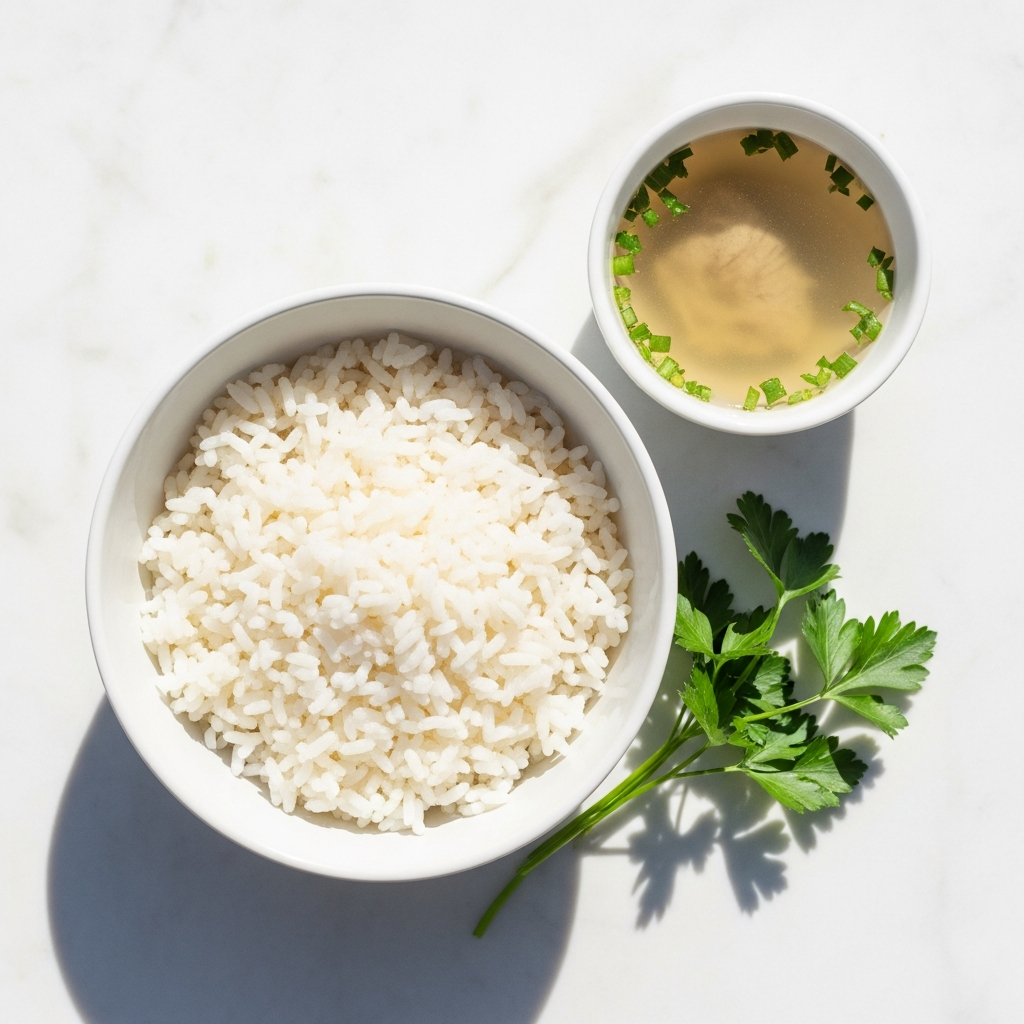
As a naturopath, one of the first things I do when a flare is suspected is simplify what's going into the gut. A low-residue diet reduces the mechanical load on an inflamed bowel — it's not a cure, but it's a way of giving your gut a little breathing room while you figure out what's happening.\
\
In practice this looks like:\
- White rice, plain pasta, or white bread (yes, even if you normally eat wholegrain)\
- Well-cooked, peeled vegetables — no raw salads\
- Chicken or fish, simply cooked\
- Bone broth if tolerated — for gut lining support\
- Small, frequent meals rather than large ones\
- Warm or room-temperature fluids — not cold\
\
Avoid high-fibre foods, raw vegetables, legumes, seeds, nuts, and anything spicy or fatty. This isn't forever — it's a first-24-hours strategy while you assess what's happening.\
\
Key takeaway: Low-residue eating in the early hours of a flare reduces gut load and supports comfort — always adjust based on your own tolerance and your GI team's guidance.\
\
\
\
### 3. Rest — properly\
\
I don't mean slow down. I mean stop.\
\
The immune system does its most important repair work when the body is genuinely resting. When my son has an early flare signal, we treat it like the body is sending a priority message: stop spending energy elsewhere and redirect it here.\
\
This is hard for adults with jobs and obligations. It's hard for teenagers with school. But even a few hours of genuine horizontal rest — not scrolling, not working from the couch — makes a real difference to how the body responds in those early hours.\
\
My husband, who is now 20+ years in deep remission, will tell you that learning to rest without guilt was one of the hardest and most important shifts he made.\
\
### 4. Contact your GI team — don't wait\
\
This is non-negotiable. In the first 24 hours of a suspected flare, your gastroenterologist or IBD nurse needs to know. Don't wait until it's severe. Don't wait until you're certain.\
\
Call early. Give them your symptom log. Ask whether you need bloods, a fecal calprotectin test, or an early review. Many IBD teams have a flare protocol — use it.\
\
As a naturopath, everything I do is designed to support your medical care, not replace it. The naturopathic layer is an addition to your GI team, never an alternative.\
\
### 5. Naturopathic supports to discuss with your team\
\
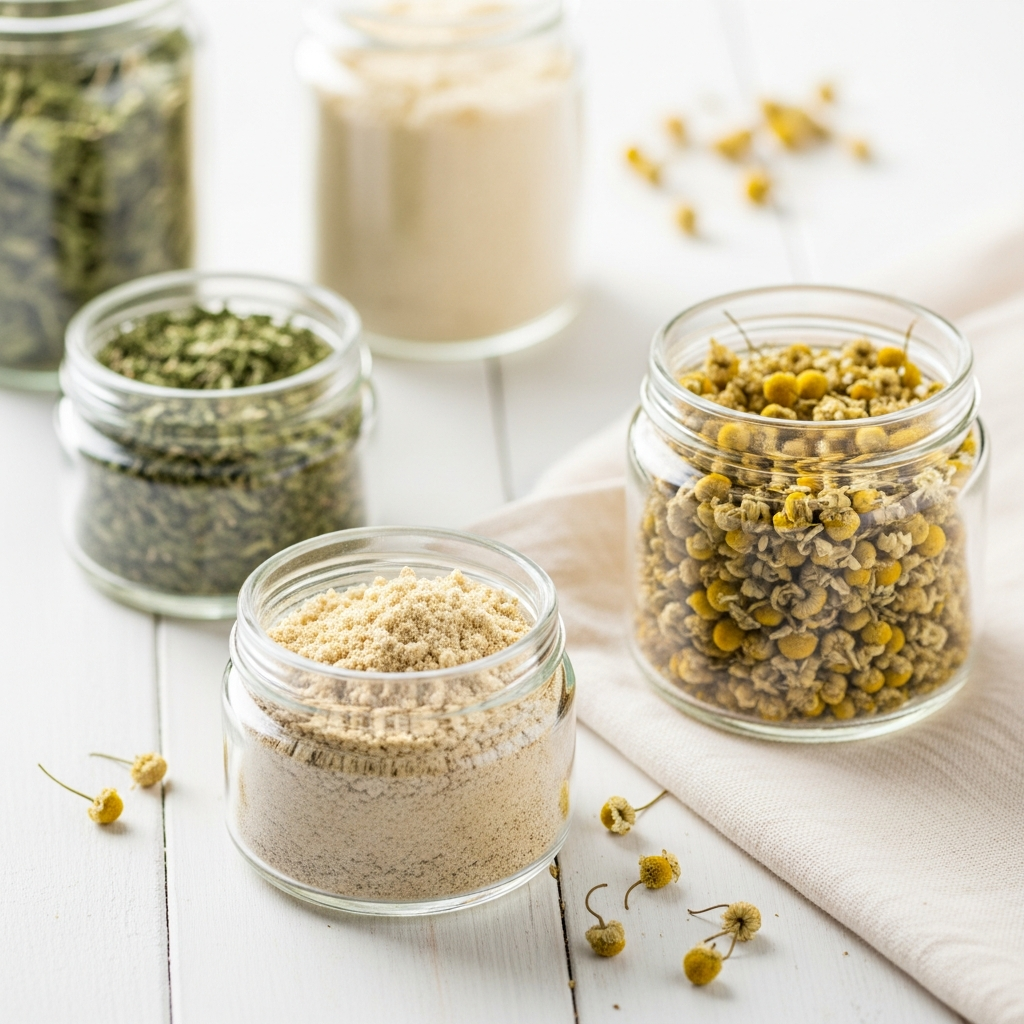
Alongside medical management, there are evidence-informed naturopathic approaches that may support gut comfort and reduce inflammation load during a flare. These are not treatments — they are supportive measures that complement your care plan.\
\
Things worth discussing with your naturopath and GI team:\
- Slippery elm or marshmallow root — traditional gut-lining supports that may soothe irritated mucosa\
- Glutamine — an amino acid that supports intestinal barrier integrity; some research suggests it may be helpful in IBD\
- Probiotics — specific strains (not all probiotics are equal) may support gut microbiome balance; discuss with your GI team first\
- Magnesium — often depleted during a flare, and deficiency can worsen cramping and fatigue\
\
Key takeaway: Naturopathic supports work best as part of an integrated plan — always discuss with both your naturopath and your gastroenterologist before adding anything new.\
\
\
\
## What NOT to do in the first 24 hours\
\
- Don't self-diagnose and assume it will pass without action\
- Don't dramatically change your medication without speaking to your GI team\
- Don't eat high-fibre or raw foods hoping to 'flush it through'\
- Don't search for worst-case scenarios online at midnight (I say this with love)\
- Don't try to push through and act like nothing is happening\
\
## Common questions\
\
Q: How do I know if it's a flare or just a bad day?\
A pattern change lasting more than 24-48 hours — especially with increased frequency, pain, or blood — warrants a call to your GI team. When in doubt, contact your IBD nurse.\
\
Q: Should I stop eating during a flare?\
No. Nutrition is critical during a flare. Shift to low-residue, easy-to-digest foods, but keep eating small amounts regularly to support your body's repair processes.\
\
Q: Can naturopathic approaches stop a flare?\
No naturopathic approach can stop an active Crohn's flare — and anyone who claims otherwise is misleading you. Naturopathic supports work alongside medical treatment to support comfort, gut lining integrity, and nutritional status.\
\
Q: When should I go to the emergency department?\
If you have severe abdominal pain, a high fever, significant rectal bleeding, or signs of obstruction (vomiting, no bowel movements, severe distension), go to the emergency department or call emergency services. Don't wait.\
\
---\
\
The first 24 hours of a flare don't have to feel like freefall. With a clear plan — track, simplify, rest, call your team, and support your body — you can move through those hours with intention instead of panic.\
\
That's what I want for your family. That's what I built this plan for.\
\
— Kate\
Naturopath. Crohn's mum. The Crohn's Method.\
\
This article is for informational purposes only and does not constitute medical advice. Always work with your gastroenterologist and healthcare team.