The heating pad moment that changed our flare days
The short answer: A heating pad used correctly during a Crohn's flare can help reduce muscle spasm, ease cramping pain, and support the parasympathetic nervous system — making it a genuinely useful comfort tool alongside your medical care. It won't treat the underlying inflammation, but it can make hard days more manageable. Here's what we've learned using it in our family for over two decades.
---
There's a moment I keep coming back to.
My son was in the middle of a rough flare week. He'd come home from school, gone straight to the couch, and curled into himself the way kids do when they're trying to make themselves as small as the pain. I brought him a heating pad — the kind with the soft cover, set on medium — and pressed it gently against his lower abdomen.
Within about ten minutes, his shoulders dropped. He exhaled. He didn't say anything. He didn't have to.
That moment didn't fix his Crohn's. But it changed something in how I thought about flare management — not just as a naturopath, but as his mum.
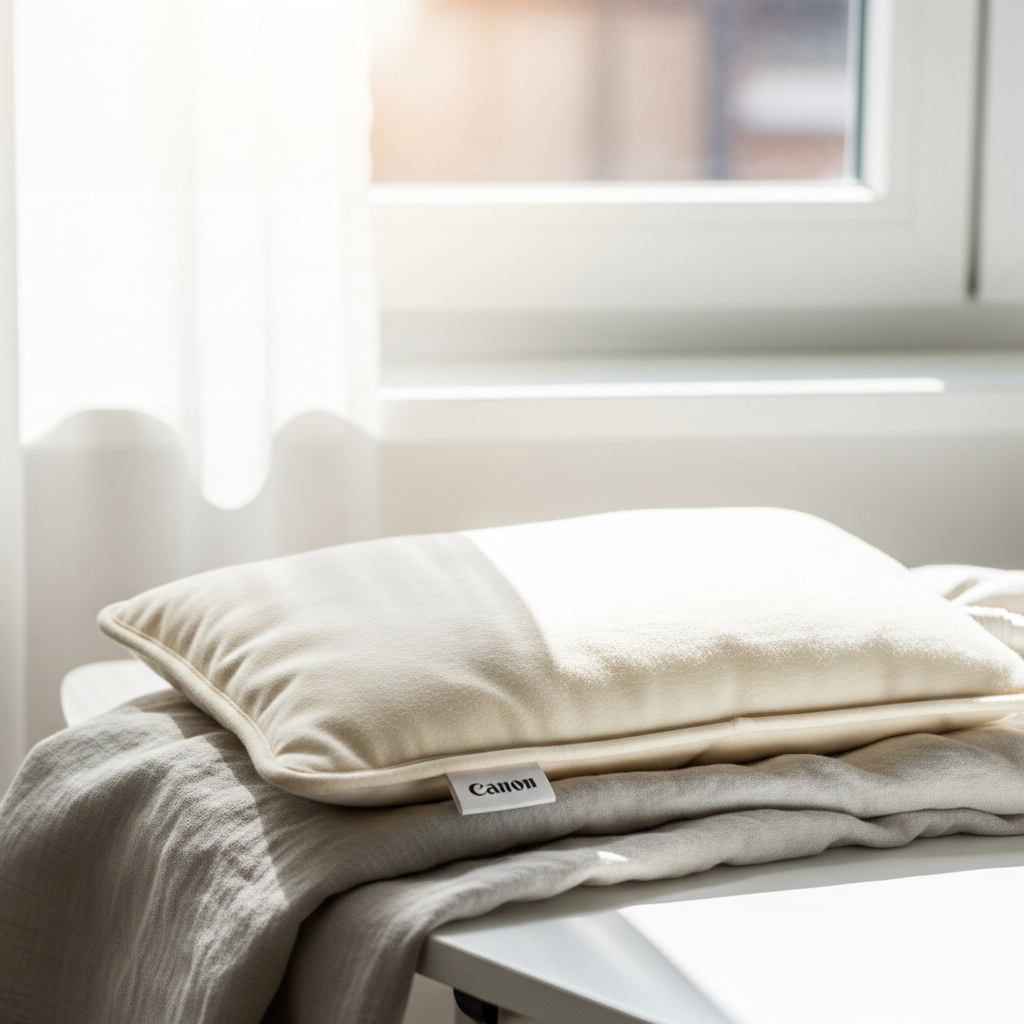
## Why does heat help during a Crohn's flare?
Heat therapy has been used for gut pain for centuries — and there's a physiological reason it works that goes beyond just "feeling nice."
When Crohn's flares, the smooth muscle in the intestinal wall can go into spasm. That cramping sensation — the one that doubles you over — is partly muscular. Heat helps relax that smooth muscle, which can reduce the intensity of cramping even when the underlying inflammation hasn't changed.
Heat also stimulates thermoreceptors in the skin that, according to research published in the Journal of Physiology, can actually block pain signals through the same neural pathways as some pain medications. This isn't placebo — it's a real neurological mechanism.
And from a naturopathic perspective, warmth applied to the abdomen supports parasympathetic nervous system activation — the "rest and digest" state. When someone is in pain, the body shifts into sympathetic overdrive (fight or flight). That state makes gut motility worse, not better. Gentle heat can help the nervous system shift gears.
Key takeaway: Heat doesn't treat Crohn's inflammation — but it can meaningfully reduce cramping pain and help the nervous system downregulate during a flare.
## How we actually use it — timing, placement, temperature
After years of using a heating pad with both my son and my husband (who's been managing Crohn's for over 20 years, including three surgeries when he was younger), here's what we've landed on:
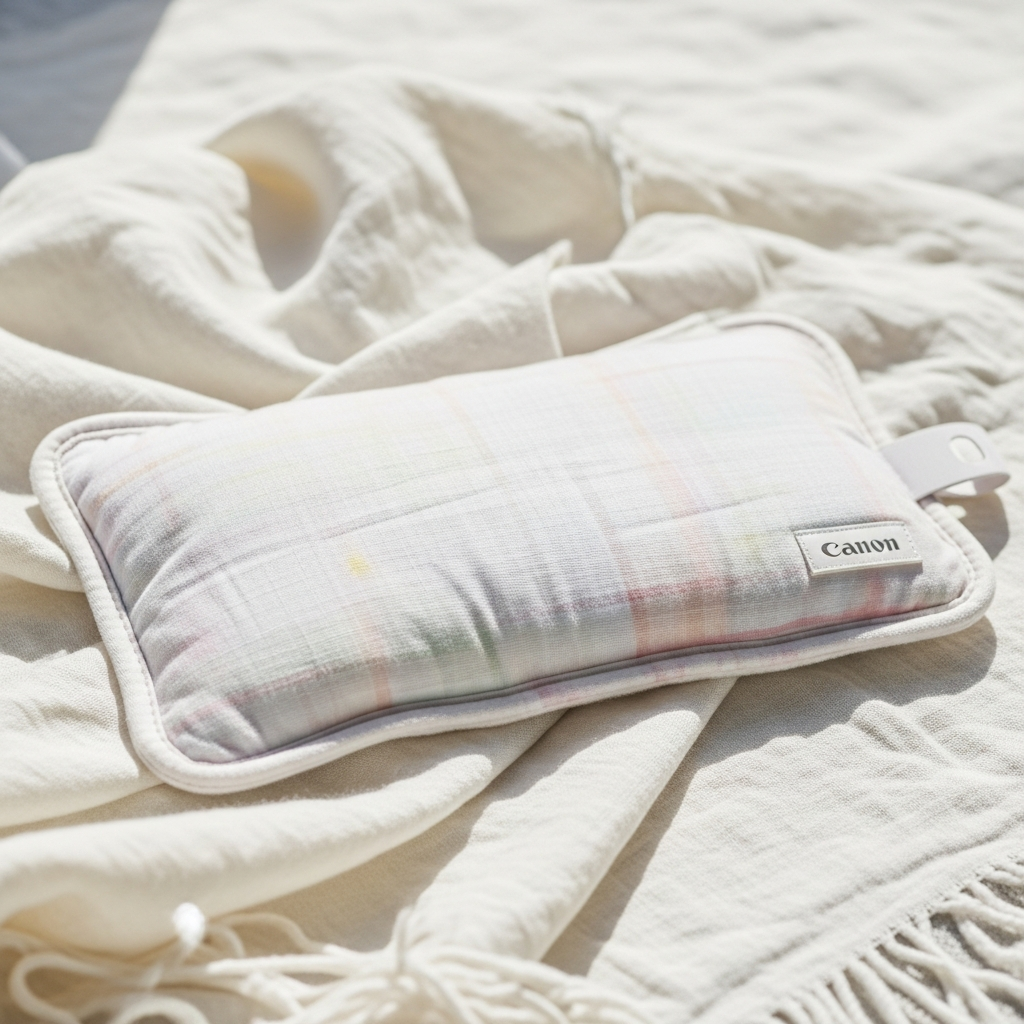
Temperature: Medium heat only. Never high. The goal is warmth, not heat. High heat can cause skin burns, especially if someone is lying still for a long period — and people in a flare often don't move much.
Placement: Lower abdomen, centred. If the pain is more on one side (common with Crohn's, which often affects the terminal ileum on the right side), you can shift it slightly. But avoid placing it directly over any surgical sites that are still healing.
Timing: 15-20 minutes at a time, with breaks. Don't fall asleep on it. Set a timer if you need to — this matters especially for children or anyone who's exhausted from a flare.
When to use it: During cramping pain that's consistent with a known flare pattern. Not as a first response to sudden, severe, or new pain — more on that in a moment.
## What NOT to do — and when to call your GI instead
This is the part I want every family to know.
Heat is a comfort tool. It is not a diagnostic tool. There are situations where abdominal pain should be assessed by your gastroenterologist or emergency department — not managed at home with warmth.
Call your GI (or go to emergency) if:
- The pain is sudden, severe, or feels different from your usual flare pattern
- You have a fever alongside the abdominal pain
- There is any sign of obstruction (no bowel movements, significant bloating, vomiting)
- Pain is getting worse, not better, over a few hours
- You've recently had surgery
The Crohn's & Colitis Foundation is clear that any new or significantly worsening symptoms should be evaluated by your medical team. A heating pad is for the hard-but-familiar flare days — not for ruling out complications.
My husband learned this the hard way during his surgeries years ago. We don't take new pain lightly in our house. We investigate first, comfort second.
Key takeaway: Heat is safe and helpful for familiar flare cramping — but new, severe, or changing pain always warrants a call to your medical team first.
## Building heat into your flare management plan
What I love about a heating pad is that it gives families something to do during a flare. One of the hardest things about watching someone you love in pain is the helplessness. You can't stop the inflammation. You can't fast-forward through the hard days.
But you can bring warmth. You can sit beside them. You can make the next twenty minutes a little softer.
For our family, the heating pad sits alongside — never instead of — the medical care my son and husband receive from their gastroenterology team. It's one tool in a toolkit that includes medication, dietary adjustments, stress management, and regular monitoring.
As a naturopath, I think about flare management in layers: what the medical team is doing, what we're doing nutritionally, what we're doing for the nervous system, and what we're doing for comfort and quality of life. Heat lives in that last layer — and it matters more than people give it credit for.
---
## Common questions
Can I use a heating pad every day during a flare?
Yes, with breaks. 15-20 minutes on, then off. Avoid sleeping with it on, and always use medium heat rather than high.
Is heat safe after Crohn's surgery?
Not directly over a healing surgical site. Always check with your surgical team before applying heat near any recent incision or stoma site.
Does heat actually reduce inflammation?
No — heat doesn't reduce the underlying gut inflammation in Crohn's. It helps with the muscular cramping and nervous system response to pain. Your medical treatment is what addresses the inflammation.
What type of heating pad is best?
A soft-cover electric pad with adjustable settings is ideal. Microwavable wheat bags are fine too, but cool down faster and can be harder to regulate temperature. Avoid anything that gets very hot or doesn't have an auto-shutoff.
---
If this helped, forward it to someone who's in the middle of a hard flare week. Sometimes the simplest things are the ones nobody thinks to mention.
— Kate
Naturopath. Crohn's wife. Crohn's mum.
The Crohn's Method
This article is for informational purposes only and does not constitute medical advice. Always work with your gastroenterologist and healthcare team.