The ingredient hiding in your 'safe' foods — and wrecking your gut
## The short answer
Emulsifiers — food additives like carrageenan, polysorbate 80, and carboxymethylcellulose — are found in hundreds of everyday processed foods marketed as 'gut-friendly' or 'safe.' Research published in journals including Nature suggests these additives can disrupt the gut's protective mucus layer and alter the microbiome, which is particularly significant for people with Crohn's disease whose gut lining is already vulnerable. If you've been eating carefully and still flaring, emulsifiers may be worth investigating with your gastroenterologist.
Now let me tell you how we found this out the hard way.
---
My son was doing everything right.
He was avoiding his known triggers. He was eating the foods on his 'safe' list. He was resting, managing stress, taking his medication as prescribed. And he was still flaring.
As a naturopath, I'm trained to look at the whole picture. As his mum, I was quietly terrified. When your child is doing everything you've asked of him and his body still isn't cooperating — that's a particular kind of helpless.
It took weeks of careful food journalling before I spotted the pattern. It wasn't a classic trigger food. It wasn't a new food. It was something hiding in the ingredient list of foods we'd trusted for years.
Emulsifiers.
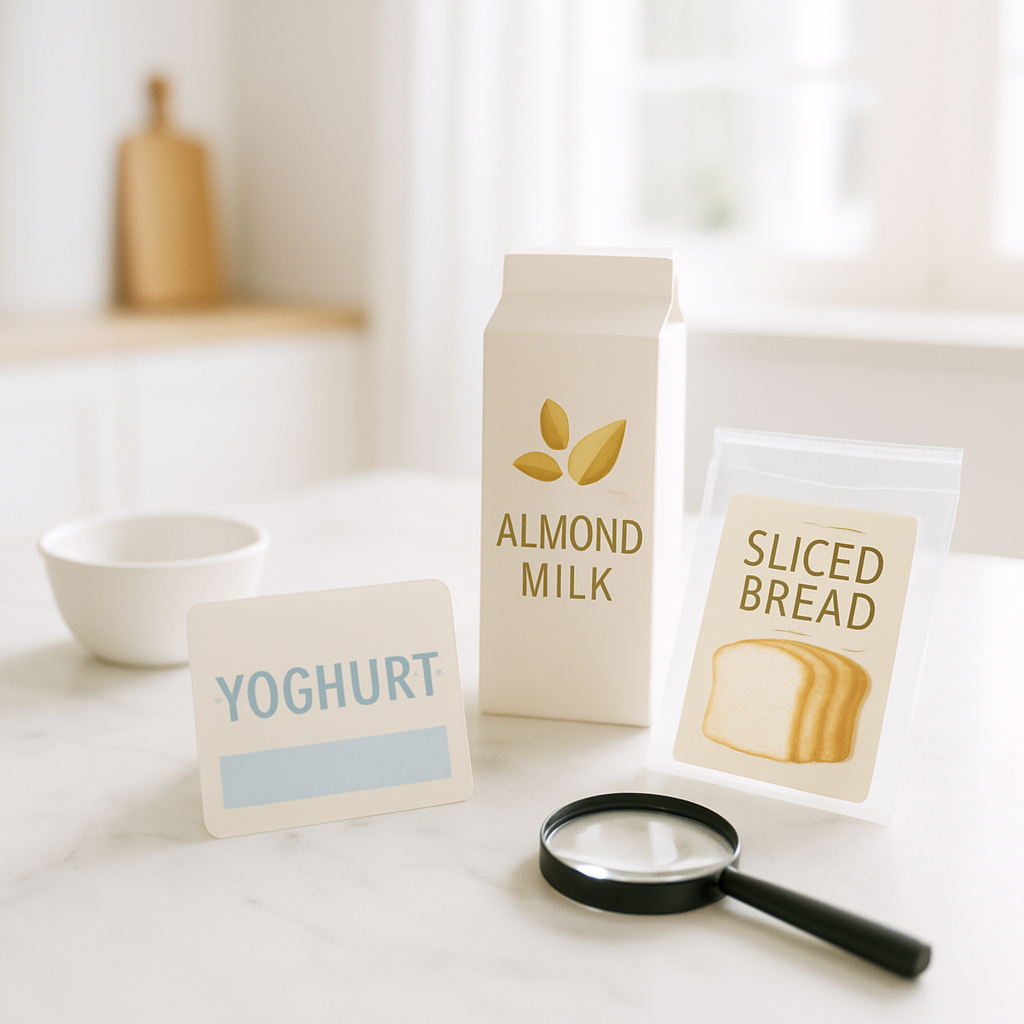
## What are emulsifiers — and why are they in everything?
Emulsifiers are additives used to blend ingredients that wouldn't naturally mix — like oil and water. They improve texture, extend shelf life, and give processed foods that smooth, creamy consistency we've come to expect.
You'll find them listed on labels as:
- Carrageenan (extracted from seaweed, common in nut milks, yoghurts, deli meats)
- Polysorbate 80 (in ice cream, baked goods, some medications)
- Carboxymethylcellulose / CMC (in bread, sauces, salad dressings)
- Lecithin (in chocolate, margarine, baked goods — though generally considered lower risk)
- Mono- and diglycerides (in almost everything packaged)
The Crohn's & Colitis Foundation notes that diet's role in IBD is an active area of research, and that while no single diet has been proven to cause or prevent Crohn's, food choices can significantly influence symptoms and gut environment. Emulsifiers sit squarely in that research space.
Key takeaway: Emulsifiers are not a new food group — they are manufacturing additives, and their impact on the gut lining is distinct from the foods they're hiding in.
## What does the research actually say?
A landmark 2015 study published in Nature (Chassaing et al.) found that two common emulsifiers — polysorbate 80 and carboxymethylcellulose — promoted low-grade intestinal inflammation and altered the gut microbiota in mice, including triggering colitis in genetically susceptible animals. Subsequent human studies have been smaller, but the signal is consistent enough that researchers are paying close attention.
The concern for people with Crohn's specifically comes down to the mucus layer. Healthy gut function depends on a thick, intact layer of mucus that acts as a barrier between the gut contents and the intestinal wall. In Crohn's disease, this barrier is already compromised. According to research reviewed by the NIH, emulsifiers may thin or degrade this mucus layer, allowing bacteria to get closer to the gut lining than they should — and potentially triggering an immune response.
This doesn't mean emulsifiers cause Crohn's. It means they may be adding fuel to a fire that's already burning.
Key takeaway: Emulsifiers may thin the gut's protective mucus layer — a particular concern in Crohn's disease where that barrier is already under stress.
## The 'safe' foods that aren't always safe
This is the part that surprised me most as a naturopath — and the part I see catch families off guard repeatedly.
These are foods commonly recommended in low-residue or 'gut-friendly' eating plans that frequently contain emulsifiers:
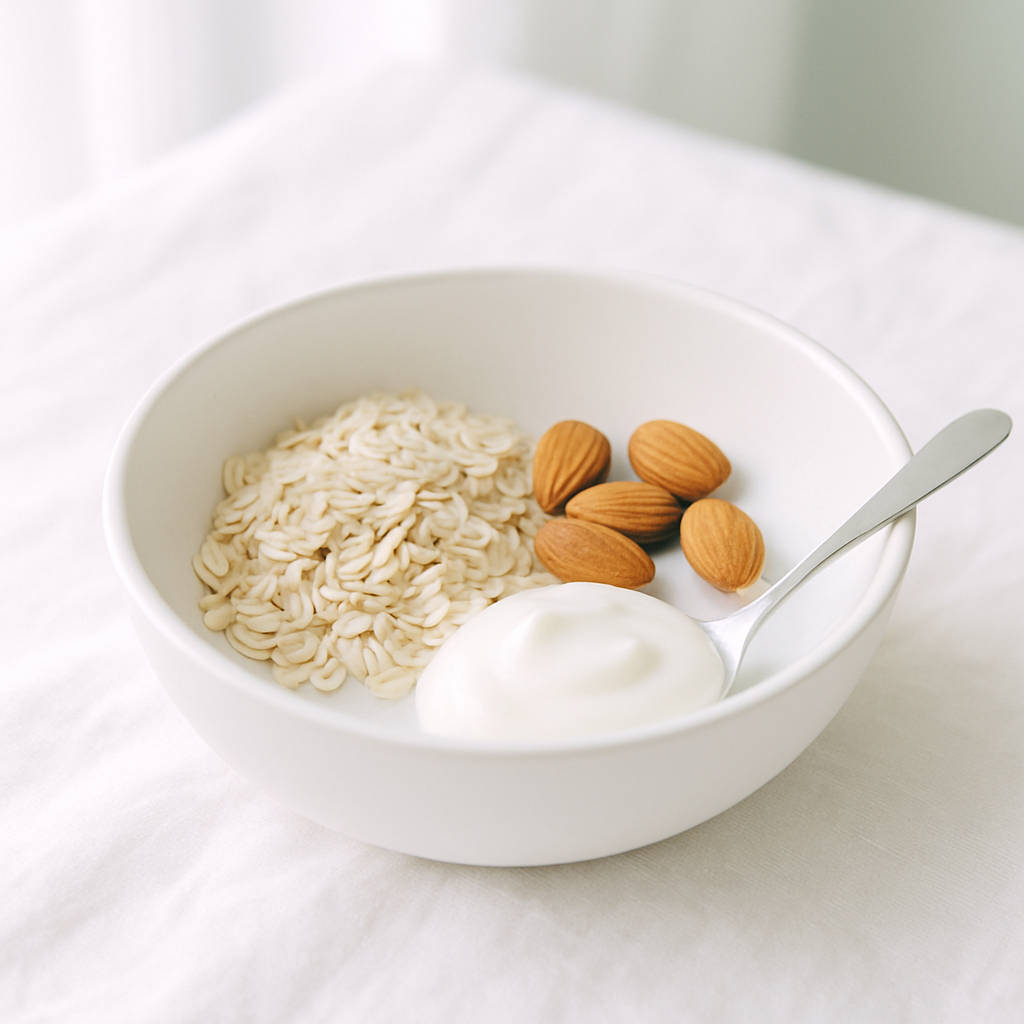
- Nut milks (almond, oat, soy) — carrageenan and gellan gum are standard in most commercial brands
- Yoghurt (including probiotic-marketed varieties) — modified starch, carrageenan, and pectin blends are common
- Sliced bread and wraps — mono- and diglycerides, DATEM, and CMC extend shelf life
- Protein shakes and meal replacement drinks — polysorbate 80 and soy lecithin are almost universal
- Low-fat salad dressings — require emulsifiers to replace the texture fat normally provides
- Ice cream and frozen desserts — polysorbate 80 is standard in commercial brands
- Deli meats and processed chicken — carrageenan is used as a binder and moisture retainer
When my son was eating 'safely,' he was eating several of these every single day. His almond milk in his morning smoothie. His store-bought probiotic yoghurt. His wrap at lunch. Each one carrying a small emulsifier load — and together, they were adding up.
## What we actually did — and what I recommend checking with your team
I want to be clear: we did not change my son's medical treatment. His gastroenterologist remained in charge of that. What we did was look at the food environment around his treatment — the layer of daily choices that either support or undermine the gut environment his medication is trying to protect.
Here's what we changed, and what I'd suggest discussing with your own care team:
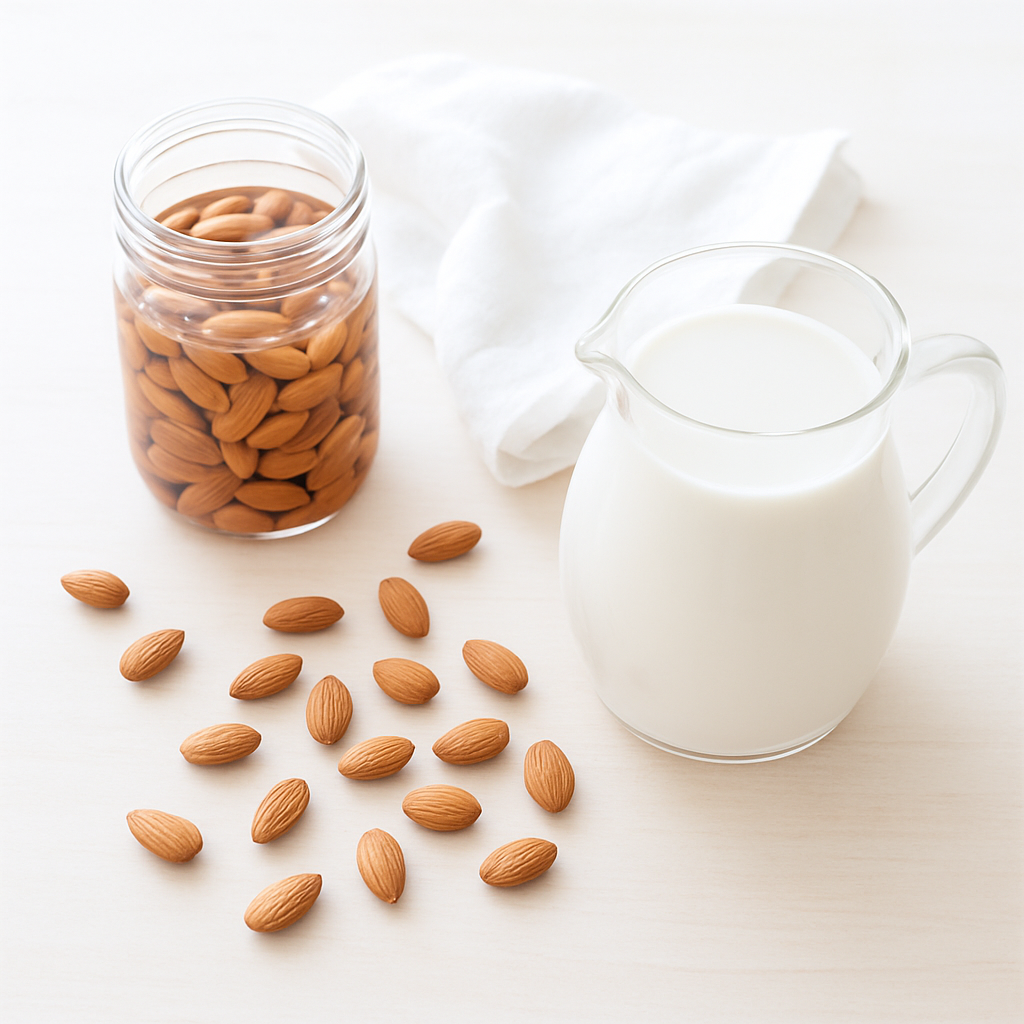
- **Switched to emulsifier-free nut milks** — or made our own (it's genuinely quick: soaked almonds, water, a blender, a cloth). Brands that contain only nuts and water exist — you just have to read the label.
- **Chose whole-food yoghurt** — plain full-fat yoghurt with a short ingredient list: milk, cream, live cultures. Nothing else.
- **Moved to home-baked or sourdough bread** — or bread with a 3-5 ingredient list. Most artisan bakery bread is emulsifier-free.
- **Read every label on protein supplements** — and chose those using sunflower lecithin over soy lecithin or polysorbate 80 where possible.
- **Kept a food-symptom journal for 4 weeks** — not to eliminate everything at once, but to identify which swaps made a noticeable difference. This is the kind of data your gastroenterologist or dietitian can actually use.
This is part of what we call the Safe Food Ladder at The Crohn's Method — the idea that building a truly safe food environment isn't just about removing known triggers. It's about looking at what's been hiding in the foods you thought were already safe.
## Common questions
Are all emulsifiers equally harmful for Crohn's?
Not necessarily. The research flags polysorbate 80, carrageenan, and CMC most specifically. Sunflower lecithin and some pectins appear lower risk, though everyone's gut responds differently. This is worth discussing with your gastroenterologist or a dietitian who specialises in IBD.
Should I cut all emulsifiers out completely?
That's a question for your care team, not a blanket recommendation. The goal is to reduce the overall load — particularly from daily staple foods — and see whether symptoms respond. Elimination should be done methodically, not all at once.
How do I know if emulsifiers are triggering my symptoms?
A structured food-symptom journal over 4 weeks, swapping one emulsifier-containing food at a time, is the most practical starting point. Your gastroenterologist or IBD dietitian can help interpret the pattern.
My child is on biologics — does this still matter?
Medication and food environment work together, not instead of each other. Reducing gut-lining stressors like emulsifiers supports the environment your child's medication is working to protect. Always discuss dietary changes with your child's gastroenterologist.
---
If you're still searching for your trigger foods — or watching someone you love do everything right and still struggle — I want you to know: you're not missing something obvious. Sometimes the answer is hiding in the ingredient list of the foods you already trust.
That's exactly why we built the Safe Food Ladder. To help you look in the places nobody told you to look.
With warmth,
Kate
Naturopath & Crohn's Mum
The Crohn's Method
This article is for informational purposes only and does not constitute medical advice. Always work with your gastroenterologist and healthcare team.