The loneliness nobody warns you about with Crohn's
# The Loneliness Nobody Warns You About With Crohn's
Crohn's disease is isolating — not just physically, but socially and emotionally. The unpredictability of symptoms makes ordinary social life feel like a risk. Over time, that risk-avoidance quietly shrinks a person's world. As a naturopath and a Crohn's mum, I've watched this happen to both my son and my husband — and I've learned that naming it is the first step to pushing back against it.
---
## What Crohn's Loneliness Actually Looks Like
When most people think about Crohn's, they think about the physical: the pain, the urgency, the fatigue, the hospital stays. What they don't think about — what almost nobody warns you about — is the slow, quiet shrinking of a life.
My husband went through this. In the years before his remission — before the third surgery, before things finally stabilised — he described it to me once as "disappearing into yourself." Not dramatically. Not all at once. Just... fewer yes's. Fewer plans made. Fewer times reaching out, because cancelling again felt worse than never committing.
My son did the same thing. He'd turn down birthday parties, school events, sleepovers — not because he didn't want to go, but because his body had taught him that wanting something and being able to do it were two very different things. That lesson, learned young, leaves a mark.
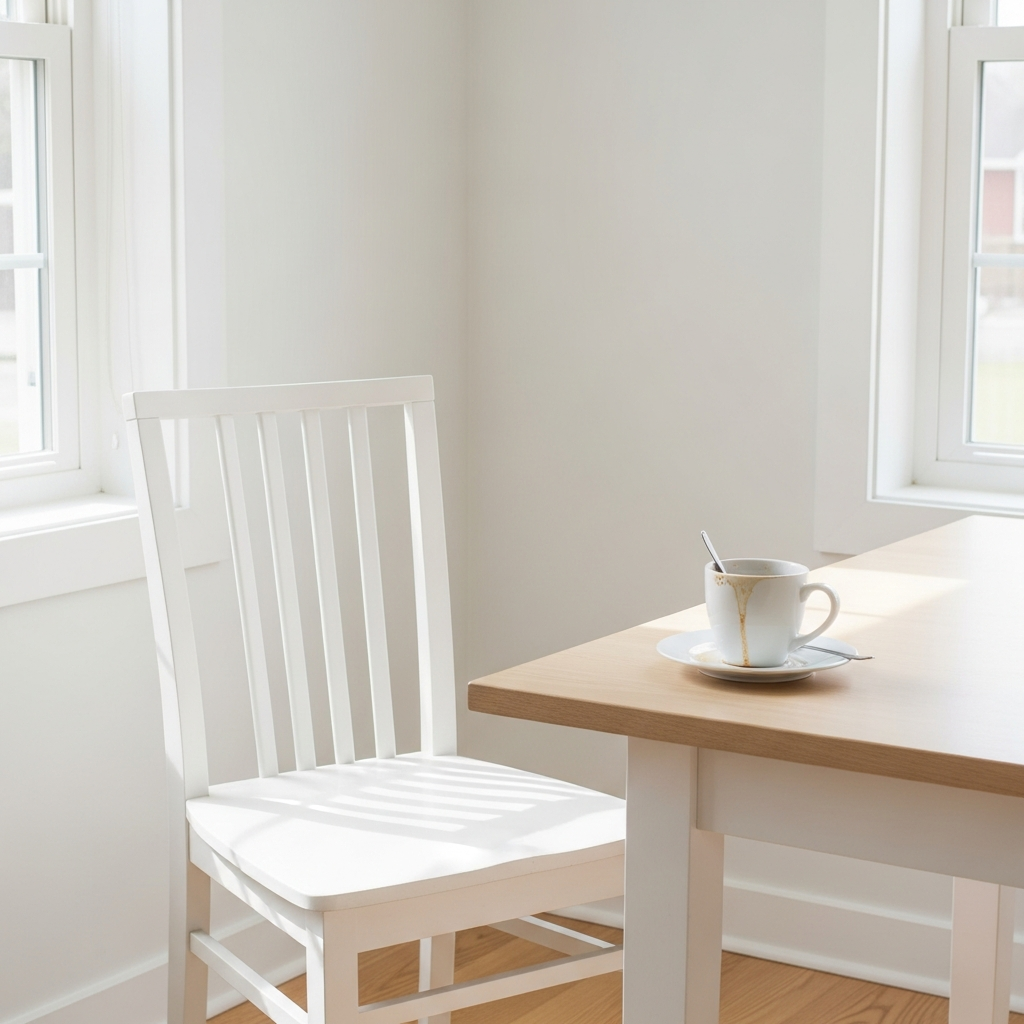
This is Crohn's loneliness. It doesn't look like sitting alone in a dark room. It looks like a life that slowly, almost imperceptibly, gets smaller.
## Why Does Crohn's Cause Social Isolation?
Crohn's loneliness isn't weakness or introversion. There are real, clinical reasons it happens — and understanding them matters.
Symptom unpredictability is the core driver. When you can't trust your body, you stop trusting plans. The Crohn's & Colitis Foundation notes that unpredictable bowel urgency, fatigue, and pain are among the most disruptive aspects of daily life for people with IBD — and social withdrawal is a documented consequence.
Fatigue compounds everything. IBD-related fatigue isn't ordinary tiredness. It can be driven by anaemia, malabsorption, chronic inflammation, or medication side effects. When you're exhausted at a cellular level, social energy is the first thing to go. My son's fatigue was so significant at one point that he'd sleep for three hours after school. That's not laziness. That's a body under siege.
The shame spiral is real. There's a particular kind of shame that comes from cancelling plans repeatedly. You know your friends are trying to be patient. You know they don't fully understand. And eventually, the anticipatory embarrassment of maybe having to leave early, or needing to scope out bathrooms, or explaining yourself again — it's easier to just not go. The Crohn's & Colitis Foundation and IBD patient surveys consistently identify social embarrassment as one of the most underreported quality-of-life impacts of the disease.
Key takeaway: Crohn's isolation is a physiological and psychological response to an unpredictable disease — not a character flaw, and not permanent.

## What Actually Helped Our Family
I want to be careful here, because I'm not going to offer you a five-step fix. Loneliness connected to chronic illness is real and it deserves real respect — not a checklist.
But here's what I observed, as a naturopath and as the person who loved two people through this.
1. Naming it out loud changed things.
For years, neither my husband nor my son called it loneliness. They called it being tired, or not feeling up to it, or just needing a quiet weekend. When we finally started using the actual word — "I think you're lonely, and I think Crohn's is doing that" — something shifted. It gave the feeling a container. It made it something we could look at together instead of something that just happened in the dark.
2. Smaller, lower-stakes connection.
The pressure of a big social event is enormous when you have Crohn's. What helped was replacing big plans with small ones. A 30-minute walk. A coffee at home instead of a restaurant. A phone call instead of a dinner. Not as a permanent downgrade — but as a way to stay connected without the anxiety of unpredictability.
3. Finding community that actually gets it.
This one was transformative for my son. Connecting — even online — with other young people who had IBD meant he didn't have to explain himself. He didn't have to justify why he couldn't eat certain things or why he needed to know where the bathroom was before he agreed to go anywhere. There is something irreplaceable about being understood without having to educate.
4. Addressing the physical drivers.
As a naturopath, I'll always come back to this: when fatigue, pain, and urgency are better managed — in partnership with your medical team — the social withdrawal often eases naturally. Supporting nutritional status (particularly iron, B12, and vitamin D, which are commonly depleted in Crohn's), working on sleep, and managing stress responses can all reduce the physiological burden that makes socialising feel impossible. This supports, not replaces, your gastroenterologist's care.
5. Letting carers acknowledge their own loneliness too.
This one is for the people on the outside of Crohn's. I was lonely too. Watching my husband disappear into himself during the hard years, watching my son shrink away from the things I wanted for him — that was its own kind of isolation. Carers need community and permission to grieve too. If you're reading this as a parent or partner, your feelings are valid and they deserve space.

## You Are Not Doing Anything Wrong
If Crohn's has made your world smaller — or if you're watching it shrink someone you love — I want you to hear this clearly: you are not doing anything wrong.
This is what the disease does. It's not a personality flaw, not a failure of willpower, not a sign that things will always be this way.
My husband is now 20+ years in deep remission with zero flares. My son is in remission. The world got bigger again. Not overnight, and not without work — but it did.
And the path back always started with the same thing: someone saying "I see what's happening, and we're going to figure this out together."
You're not alone in this. I promise.
---
## Common Questions
Is social withdrawal normal with Crohn's disease?
Yes. Social isolation and withdrawal are well-documented quality-of-life impacts of IBD. Unpredictable symptoms, fatigue, and social embarrassment are the most commonly cited reasons. It is not a character flaw — it is a physiological and psychological response to a demanding disease.
Can improving physical symptoms reduce Crohn's loneliness?
Often, yes. When fatigue, urgency, and pain are better supported — through medical treatment and complementary nutritional care — many people find their confidence and capacity for social connection naturally returns. Always work with your gastroenterologist on symptom management.
How do I support someone with Crohn's who is isolating?
Start small. Don't push for big social events. Offer low-stakes connection — a short walk, a call, a coffee at home. Use the word "lonely" gently and without judgment. Let them know you understand why they've been pulling back, and that you're not going anywhere.
Are there communities for people with Crohn's who feel isolated?
Yes. The Crohn's & Colitis Foundation has peer support programs, and there are active IBD communities online. Finding people who understand without needing an explanation is one of the most powerful things a person with Crohn's can do for their emotional wellbeing.