The question we ask at every appointment — and what we're really listening for
# The question we ask at every appointment — and what we're really listening for
Here's the short answer: when a clinician asks about your bowel movements at every visit, they're not being intrusive or running through a checklist. They're reading your gut in real time. Frequency, urgency, consistency, colour, pain — each detail maps to something specific happening inside your intestinal wall. It's one of the fastest, cheapest, and most reliable ways to track disease activity between tests. And most patients don't know that.
Let me explain what we're actually listening for — and how knowing this can make you a far more powerful advocate in your own care.
---
## Why clinicians ask this at every appointment
I've sat in more GI and naturopathic appointments than I can count — with my husband over the past two decades, and with my son since his diagnosis. Early on, my husband used to give vague answers. "It's okay." "About the same." He found the question embarrassing, and honestly, he didn't know his answers mattered that much.
They do. Enormously.
The Crohn's & Colitis Foundation notes that Crohn's disease activity is notoriously difficult to assess from the outside. Blood markers like CRP and ESR can lag behind what's actually happening in the gut. Fecal calprotectin is more responsive, but it's not done at every visit. That leaves the patient's own reported experience as one of the most real-time indicators a clinician has.
Key takeaway: Your bowel pattern is a live data feed. Every change — up or down — is clinically meaningful.
When my son learned to describe his symptoms precisely — not just "bad" but "six times before noon, urgent, cramping beforehand, no blood" — his care team could act faster. That specificity changed his treatment timeline.

---
## What we're specifically listening for
As a naturopath, when I ask about bowel movements, I'm building a picture across several dimensions. Here's what each one tells me:
### Frequency
How many times a day — and how does that compare to your baseline? This is important: there's no universal "normal." What matters is change. Three times a day might be normal for one person and a flare signal for another. According to the Mayo Clinic, increased stool frequency is one of the primary indicators of active Crohn's inflammation, particularly in ileal and colonic disease.
### Urgency
Do you have warning, or is it immediate? Urgency — especially when it's new or worsening — often signals active inflammation in the rectum or sigmoid colon, or can indicate involvement of the terminal ileum. It's also one of the most quality-of-life-disrupting symptoms, and clinicians use it to gauge how much the disease is affecting daily function.
### Consistency
Loose, watery, formed, or somewhere in between? The Bristol Stool Chart (yes, it's a real clinical tool) gives clinicians and patients a shared language. Type 6 or 7 — loose or watery — in someone with Crohn's often indicates active disease or malabsorption. Type 1 or 2 — hard and pellet-like — can signal constipation, which can occur in Crohn's too, particularly with strictures.
### Blood or mucus
Blood is never something to normalise or ignore. Fresh red blood, darker blood, or mucus all point to different areas and types of involvement. This is the detail I always tell patients: don't downplay blood, even if it's been there a while. Clinicians need to know.
### Pain — before, during, or after
The timing of pain relative to a bowel movement is diagnostically specific. Pain that relieves after passing stool often points to colonic involvement. Pain that worsens after eating and precedes a movement can suggest small bowel disease. Clinicians are mapping the location of your disease activity through these patterns.
### Nocturnal symptoms
Waking at night to use the bathroom is a significant red flag. The NHS and Crohn's & Colitis UK both note that nocturnal diarrhoea is a strong indicator of active organic disease — it's not something that happens with IBS or functional gut issues. If this is happening, your care team needs to know.

---
## How to answer this question better
Most patients — including my husband for many years — undersell their symptoms. They don't want to seem dramatic. They've normalised things that shouldn't be normal. Or they simply forget by the time they get to the appointment.
Here's what I recommend as both a naturopath and someone who has navigated this alongside my family:
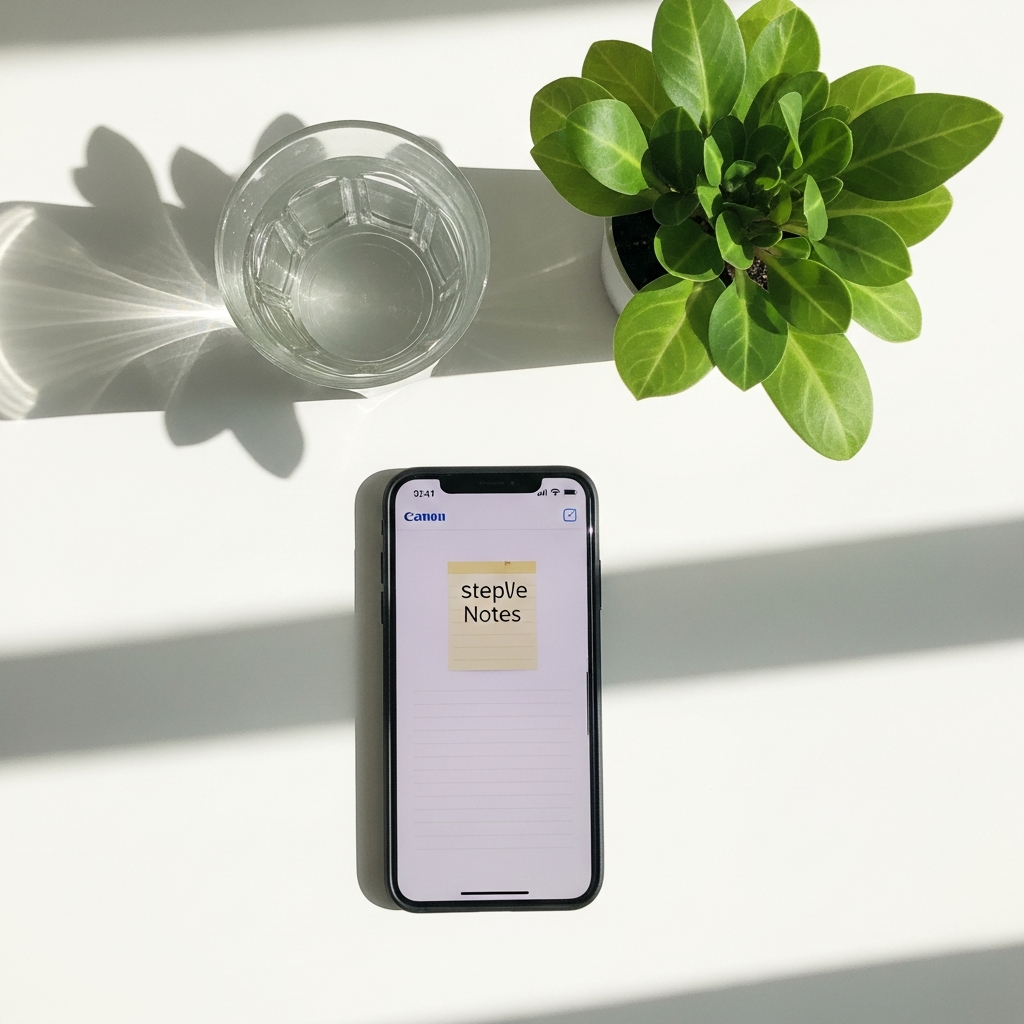
Track for 5-7 days before your appointment. You don't need a fancy app. A note in your phone with the time, number of movements, urgency (1-10), consistency (use the Bristol scale), and any pain or blood is enough. This turns a vague "it's been up and down" into actionable clinical information.
Use specific language. Instead of "I've been going more," try: "I'm going 5-6 times a day, mostly in the morning, urgency is about a 7, loose — Bristol 6, no blood." That sentence tells a clinician far more than a paragraph of vague description.
Don't edit out the embarrassing details. Blood, mucus, smell, straining — these are all clinically relevant. Your care team has heard it all. What they haven't heard is YOUR specific pattern, and that's what they need.
Report changes, not just current state. "It's been like this for three weeks" versus "this started two days ago" are completely different clinical pictures. Timing matters.
When my son started doing this — keeping a simple note on his phone — his gastroenterologist commented on how much easier it was to track his disease activity. It also meant that when things shifted, we caught it early. Early detection and early response have been central to his remission.
---
## Common questions
Why does my doctor ask this even when I feel fine?
Because Crohn's can be active at a mucosal level before you feel it systemically. Bowel pattern changes can precede a full flare by days or weeks. Catching a shift early gives your care team more options.
Is it normal to be embarrassed talking about this?
Completely. Most people are. But your care team is clinically trained to hear this information without judgment — and the more specific you are, the better they can help you.
What if my symptoms have been the same for months — do I still need to report them?
Yes. Stability is also clinically meaningful. It tells your team that your current treatment plan is holding. "No change" is a valid and useful answer — but say it explicitly, rather than skipping the question.
Can a naturopath use this information too?
Absolutely. In my practice, bowel pattern is one of the first things I assess because it helps me understand what supportive strategies — nutritional, lifestyle, or supplement-based — might complement what the medical team is already doing. This information guides everything, and it always sits alongside, never instead of, your gastroenterologist's care.
---
You are not being dramatic when you track this. You are not oversharing when you give detail. You are doing exactly what helps your care team help you.
That question at every appointment? It's one of the most important ones they ask. Now you know why.
— Kate
The Crohn's Method
Naturopath | Crohn's mum | Family navigator
This article is for informational purposes only and does not constitute medical advice. Always work with your gastroenterologist and healthcare team.