Your Crohn's is 'stable' — but is anyone watching your kidneys?
Your last scope was clear. Your calprotectin is normal. Your GI is happy. And yet — there is one organ that almost never comes up in a Crohn's appointment, and it is quietly at risk. People with Crohn's disease have up to a 5-fold higher risk of kidney stones than the general population, according to research published in Alimentary Pharmacology & Therapeutics (2019). Most of them have no idea until it hurts. And hurts it does.
This is not about fear. It is about a genuine gap in how we think about Crohn's — and filling it.
## How I first connected Crohn's and kidneys
The moment this clicked for me was when my husband was diagnosed with kidney stones. We were trying to figure out what triggered it. He had just come through surgery not long before, and we were turning it over together — could the timing be connected?
Dehydration is very common in the post-operative period. And here is the part that still stays with me: my husband had been worrying about his surgical discharge output, and he thought that if he cut back on what he was drinking, it might help. So he did. He quietly reduced his fluids.
That instinct — completely understandable, completely human — was working against his kidneys without either of us realising it.
I wish we had known then what I know now. His kidneys paid a price. Today, more than 20 years on, he is in deep remission with zero flares — and kidney health is part of the picture we actively tend to.

## Why Crohn's puts your kidneys at risk — the oxalate pathway
Here is the science, and I want to make it simple because it matters.
Crohn's — especially after a bowel resection — disrupts fat absorption. That disruption sets off a cascade. Normally, calcium in your gut binds to oxalate and the two leave the body together. But when fat malabsorption is present, bile acids grab the calcium instead. Oxalate is left unbound, free to flood the colon, get absorbed into the bloodstream, and travel straight to the kidneys.
Key takeaway: In Crohn's with fat malabsorption, excess oxalate bypasses its normal exit route and accumulates in the kidneys — raising kidney stone risk significantly.
A 2019 review in Alimentary Pharmacology & Therapeutics confirmed this is one of the most under-recognised extraintestinal complications of inflammatory bowel disease. Your GI is rightly focused on your gut. But someone needs to be looking at your kidneys too.
## What you can actually do — three practical areas
Hydration first. As people with Crohn's, we lose fluid through diarrhoea, and many of us under-drink deliberately to avoid urgency. I understand why. But dehydration is one of the most significant drivers of kidney stone formation. Do not avoid fluids. This is not negotiable for kidney health.
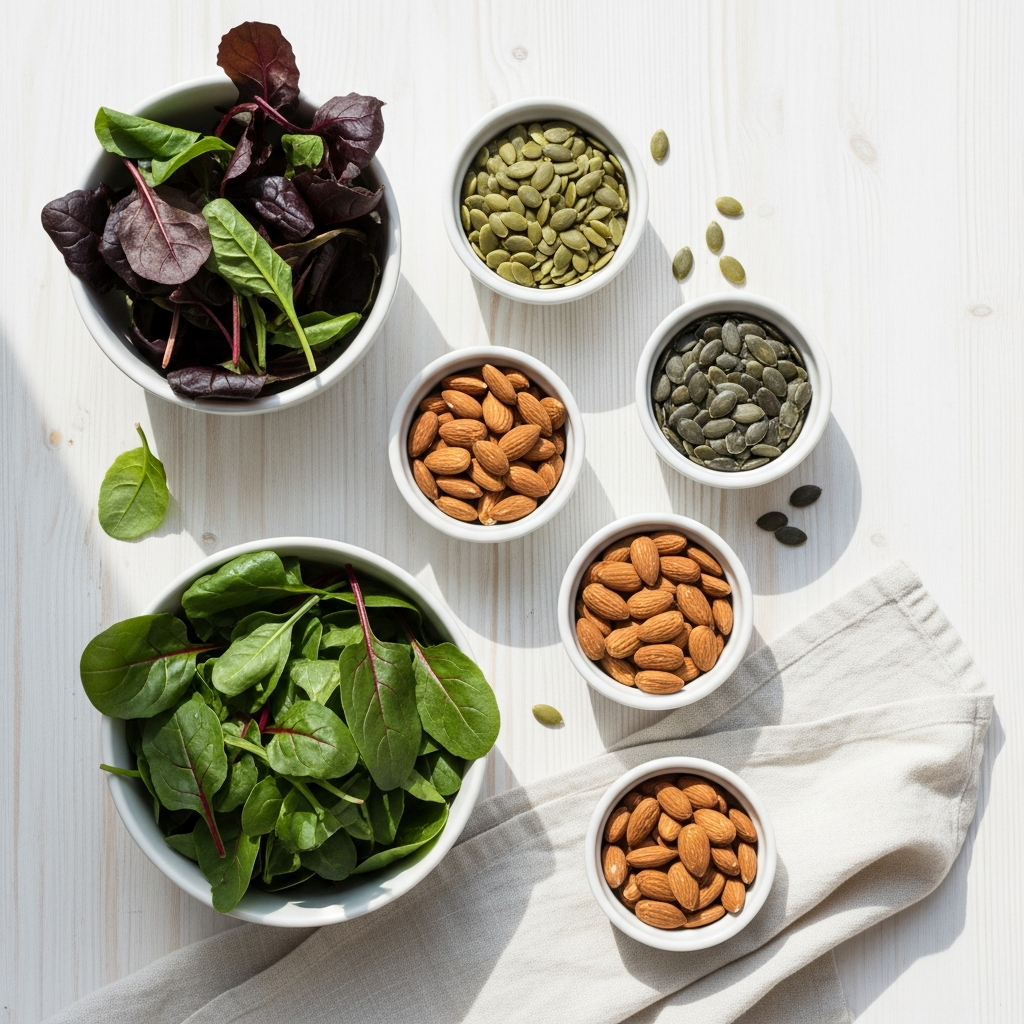
Oxalate awareness — not elimination. I am not suggesting a strict low-oxalate diet, and neither would I recommend one without working alongside your GP or dietitian. This is about identifying the highest-load foods a person is regularly eating and making simple swaps. Spinach smoothies are a good example — so many people reach for them because they seem healthy and safe. But spinach is extremely high in oxalate, and if you are having it daily, that is one thing you can let go of without stripping your nutrition.
Magnesium matters. Magnesium binds oxalate in the gut before it can be absorbed — which is exactly why magnesium levels are worth discussing with your GP or GI. Many people with Crohn's are already low in magnesium due to malabsorption. This is not about self-prescribing; it is about knowing what to ask. Always work with your medical team on supplementation.
## The warning signs that get missed
The obvious ones — severe back or flank pain, blood in the urine — most people know to act on those. But there are subtler signs that often get attributed to Crohn's itself, and that is exactly where they get missed:
- Recurrent UTI-like discomfort with no confirmed infection
- Unexplained fatigue (beyond your usual Crohn's baseline)
- Changes in urine colour or frequency
If any of those feel familiar and you have not had your kidney function checked recently, that is worth raising at your next appointment. And if you have the more obvious signs — pain, blood in urine — please go to your doctor now, not at your next scheduled visit.
Key takeaway: Several early kidney warning signs overlap with common Crohn's symptoms — which is exactly why they go undetected for so long.

## What 'stable' Crohn's actually means for your whole body
Stable Crohn's is genuinely good news — I want to be clear about that. A clear scope and a normal calprotectin are worth celebrating. But stable gut disease is not the same as a protected whole body.
The Crohn's & Colitis Foundation recognises kidney complications as a known extraintestinal manifestation of IBD — meaning they are part of the disease picture, not a separate bad-luck event. Knowing this does not mean living in fear. It means asking better questions.
As a naturopath and a Crohn's mum, the shift I made was from managing the gut in isolation to looking at the whole person around it. My husband's 20+ years of remission did not happen by accident. It happened because we started paying attention to the parts of his health that nobody else was watching.
## Common questions
Does everyone with Crohn's get kidney stones?
No — but the risk is meaningfully higher, particularly for people with ileal Crohn's or those who have had a bowel resection. Knowing your personal risk helps you take targeted steps.
Should I go on a low-oxalate diet if I have Crohn's?
Not necessarily, and not without guidance. The goal is reducing the highest-load sources (like daily spinach smoothies) rather than eliminating all oxalate-containing foods. Work with your GP or a dietitian before making significant dietary changes.
What tests should I ask my doctor about?
A basic kidney function panel (creatinine, eGFR), urine oxalate levels, and magnesium are reasonable starting points to discuss — especially if you have had a bowel resection or experience any of the subtle warning signs above.
Can magnesium really help with kidney stones in Crohn's?
Magnesium binds oxalate in the gut before it is absorbed, which is why it is clinically relevant here. But magnesium supplementation in Crohn's needs to be guided by your medical team, as dosing and form matter — and some forms can worsen diarrhoea.
---
If this opened up a question you have never thought to ask your doctor — that is exactly the point. Write it down and take it to your next appointment. That one question could be the thing that protects the whole body your Crohn's lives in.
This article supports, and does not replace, the care of your gastroenterologist and medical team.